Towering ancient giants, glacier-carved granite, and 1.1 million acres of Sierra Nevada wilderness define Sequoia National Forest in central California. Established in 1908, this forest protects 38 distinct groves of Giant Sequoias—the world’s largest trees by volume—alongside dramatic geological formations that draw photographers and adventurers year-round.
The forest spans elevations from 1,000 to over 12,000 feet, creating diverse ecosystems from oak-studded foothills to alpine peaks. The Needles, a striking series of granite spires rising above the Kern River, offer technical climbing routes and panoramic views. The Giant Sequoia National Monument, contained within the forest boundaries, provides accessible trails through cathedral-like groves where you can stand beneath trees that were saplings when Rome fell.
With 48 campgrounds scattered throughout the forest, overnight options range from developed sites like Hungry Gulch and Goldledge Campground to primitive locations like Oak Flat Lookout, where a restored fire lookout offers 360-degree mountain views. Grouse Valley Cabins provide a rustic alternative for those seeking shelter without sacrificing wilderness immersion.
Hiking trails wind through sequoia groves, along rushing creeks, and up granite ridges. The Kern River and its tributaries support excellent trout fishing, particularly in spring and early summer. Most high-elevation areas are accessible from late May through October, while lower elevations remain open year-round.
Access the forest via Highway 190 from Porterville or Highway 178 from Bakersfield, both approximately 50 miles from forest entrances.
Explore Nearby
- Chimney Peak Wilderness — Public Land in California
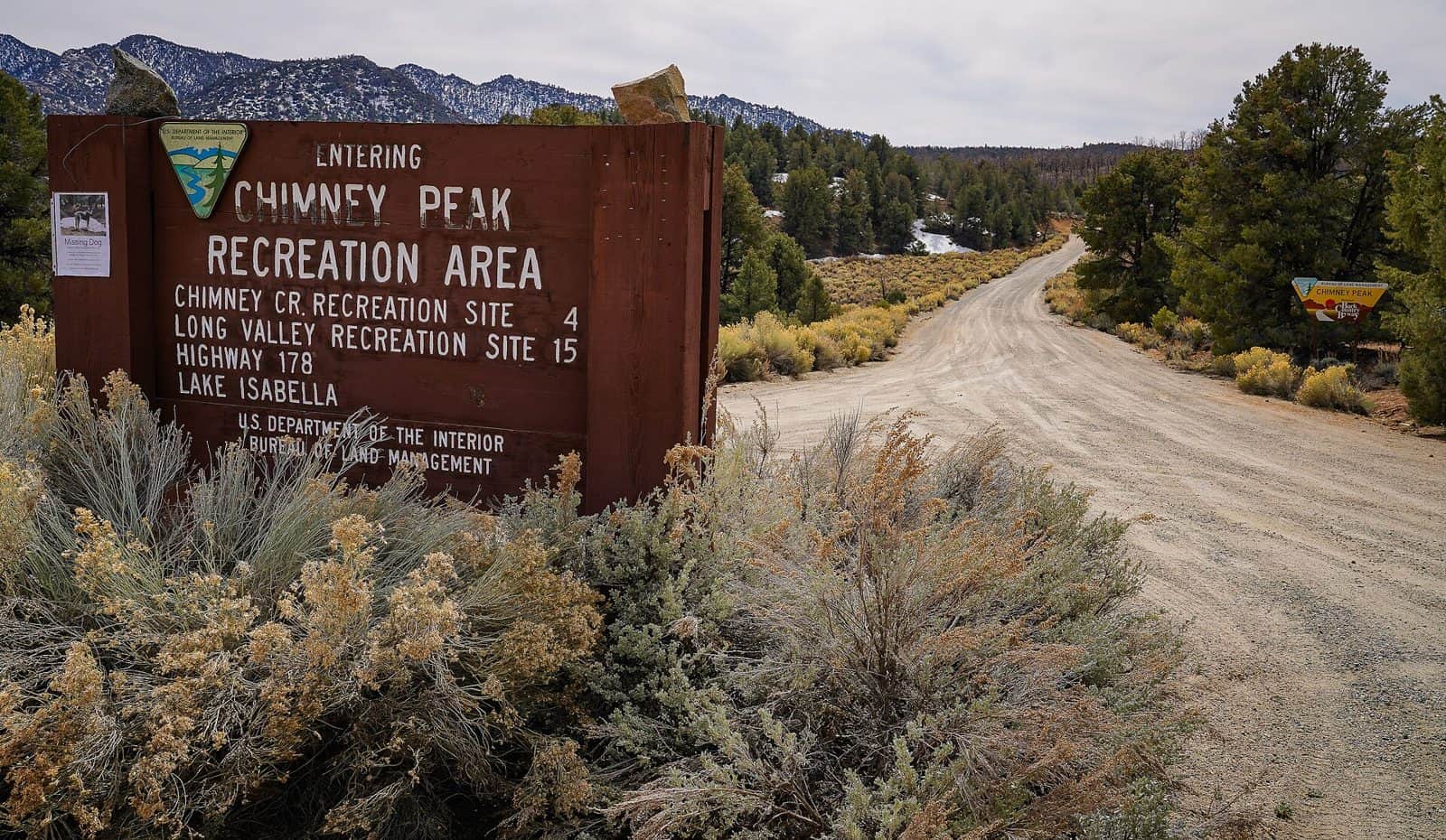
- Chimney Peak Recreation Area — Public Land in California
- Lake Isabella — State Park in Washington
- Lone Pine State Park — State Park in Montana
- Indian Canyon Scenic Byway — Scenic Byway in Utah