Bright Star Wilderness
California
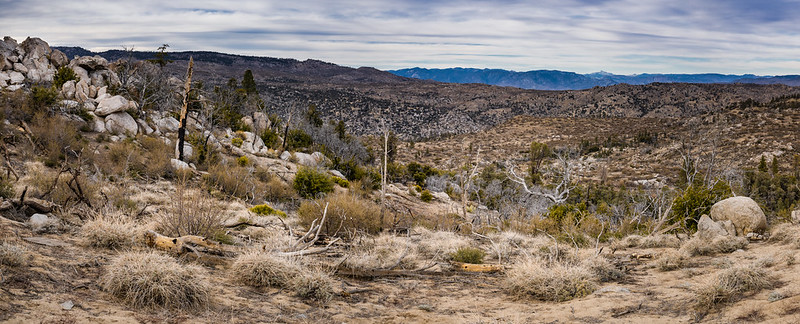
Bright Star Canyon encloses Kelso Creek and leaves Sequoia National Forest to cross the southern portion of the Bureau of Land Management’s Bright Star Wilderness. In the northwestern portion, Cortez Canyon has been carved out of the Kelso Mountains. In the northeastern portion, Kelso Peak stands at 5,090 feet with drainages falling off to the north, south, and east.

Elevations range from 3,000’ near the floor of Kelso Valley to over 5,800’ on the highest ridges and peaks. In mid-summer, day-time temperature can exceed 100oF before cooling off at night. In winter, higher elevations are often covered with snow and in years of adequate precipitation, wildflowers cover the slopes in stunning displays of color. The upper slopes are dotted with piñon pine and juniper, while the lower slopes are brushy and broken by large granite outcroppings. The valley below is boulder-strewn and dense with Joshua trees. Here the Mojave Desert meets the Sierra Nevada, allowing for a wide variety of wildlife. These include hundreds of bird species, black bear, coyote, mountain lion, and bobcat. Mule deer, chukar, mountain quail, and California quail also inhabit the area. Eagles, hawks, and other raptors nest in the large cottonwoods and on the cliffs.
Visitors should note that there are no designated trails for backpackers and the entire Wilderness lies within the Bureau of Land Management’s Jawbone-Butterbredt Area of Critical Environmental Concern.
Page Break
For more information about this wilderness, please visit Wilderness Connect.
Leave No Trace
How to follow the seven standard Leave No Trace principles differs in different parts of the country (desert vs. Rocky Mountains). For more information on any of the principles listed below, please visit Leave No Trace, Visit the Leave No Trace, Inc. website.
- Plan Ahead and Prepare
- Travel and Camp on Durable Surfaces
- Dispose of Waste Properly
- Leave What You Find
- Minimize Campfire Impacts
- Respect Wildlife
- Be Considerate of Other Visitors
Rules and Regulations
Motorized equipment and equipment used for mechanical transport are generally prohibited on all federal lands designated as wilderness. This includes the use of motor vehicles (including OHVs), motorboats, motorized equipment, bicycles, hang gliders, wagons, carts, portage wheels, and the landing of aircraft including helicopters, unless provided for in specific legislation. In a few areas some exceptions allowing the use of motorized equipment or mechanical transport are described in the special regulations in effect for a specific area. Contact the agency for more information about regulations.
Explore Nearby
- Zmudowski State Beach — State Park in California
- Woodson Bridge State Recreation Area — State Park in California
- Tahoe National Forest — National Forest in California
- Stanislaus National Forest — National Forest in California
- Volcanic Legacy Scenic Byway — Scenic Byway in California
Nearby Discoveries
12 places to explore within 30 miles
Kiavah Wilderness
10.9 miles away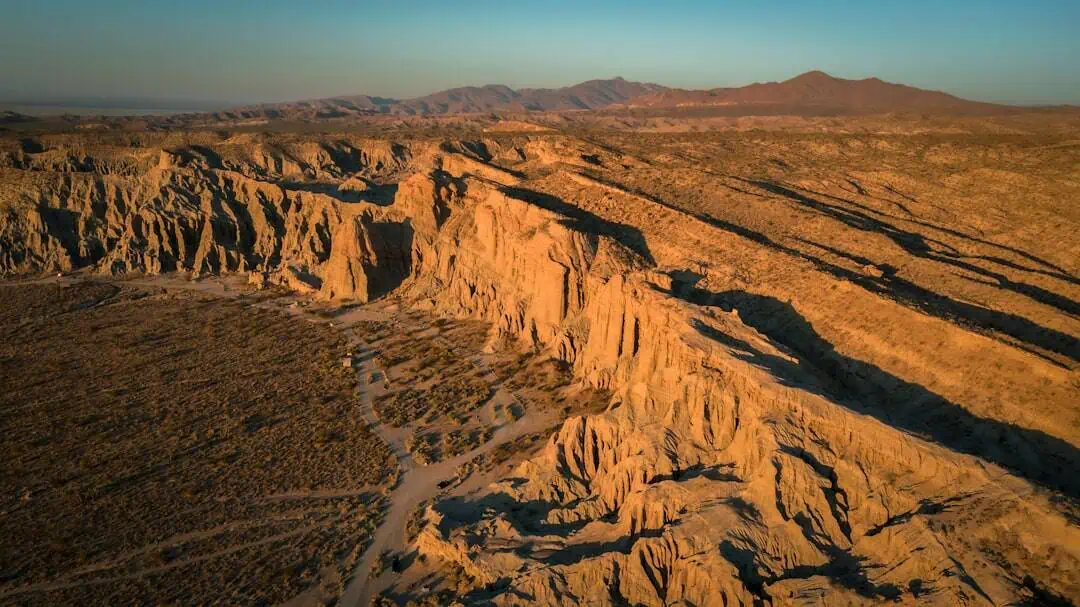
Kiavah Wilderness
10.9 miles away
Dove Springs OHV Area
12.9 miles away · 4.9 ★
Red Rock Canyon State Park
17.1 miles away · 4.7 ★
Jawbone Canyon OHV Area
17.2 miles away · 4.9 ★
Keysville Special Recreation Management Area
17.7 miles away · 4.5 ★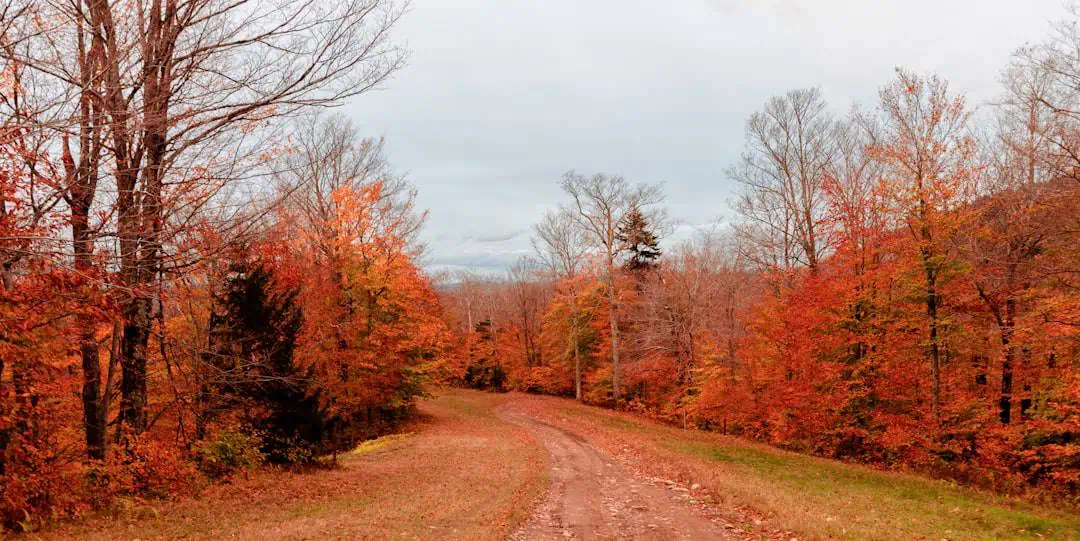
Eastern Kern County Onyx Ranch State Vehicular Recreation Area
18.9 miles away
Pacific Crest- Owens Peak Segment
21.2 miles away · 4.7 ★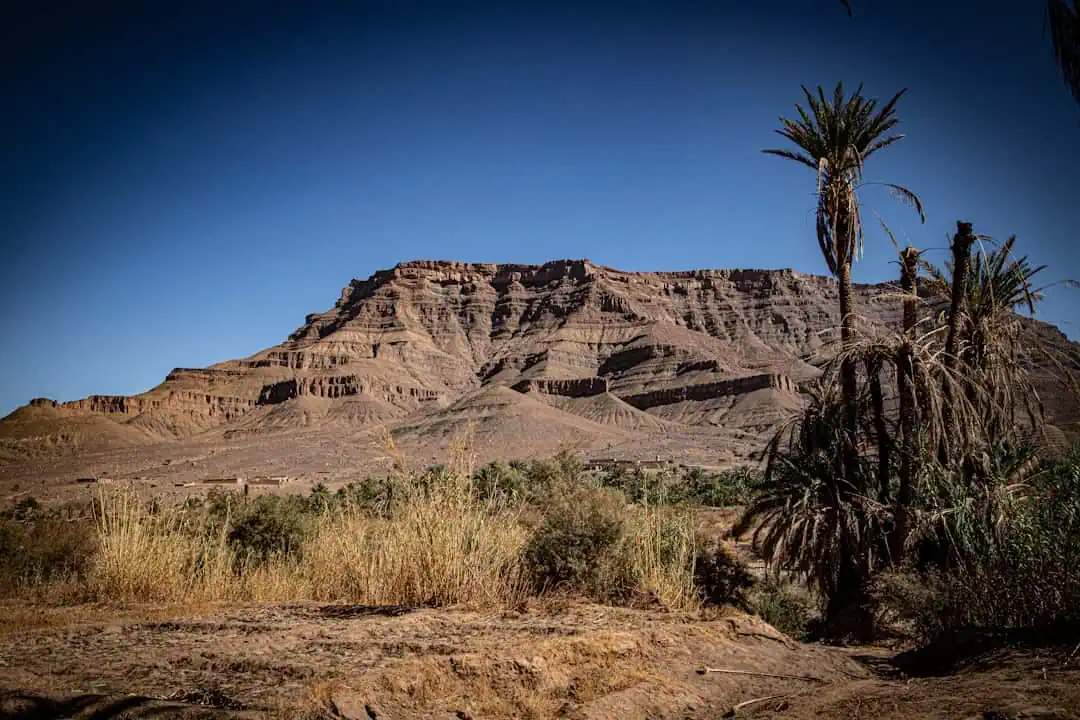
El Paso Mountains Wilderness
22.5 miles away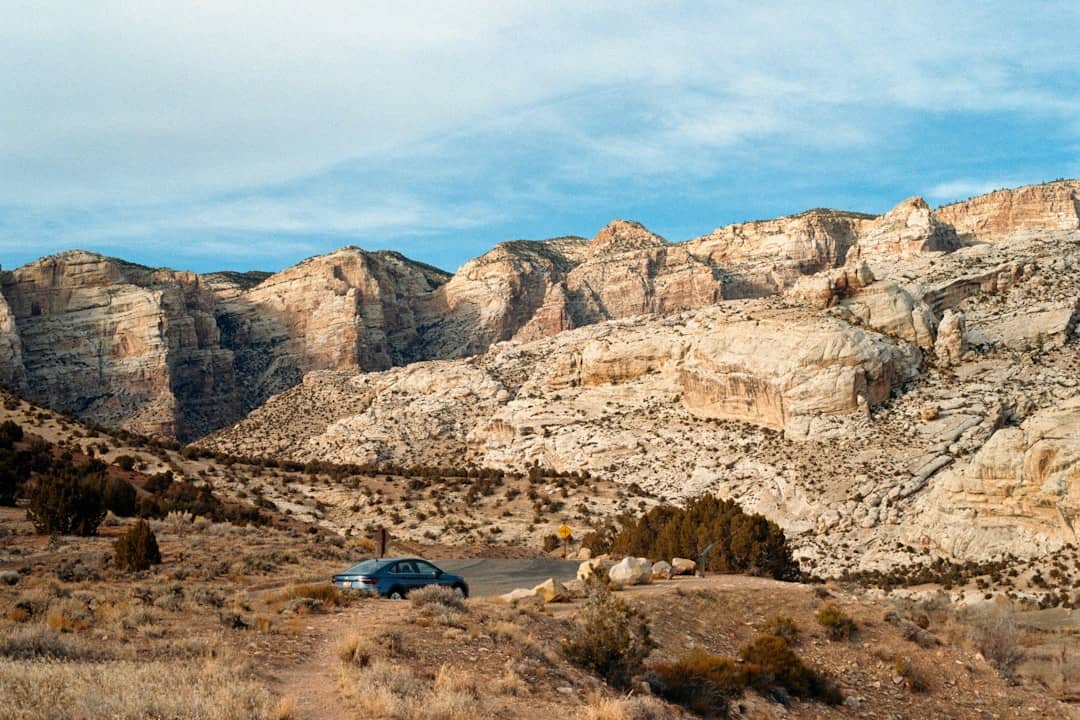
Chimney Peak Recreation Area
23.8 miles away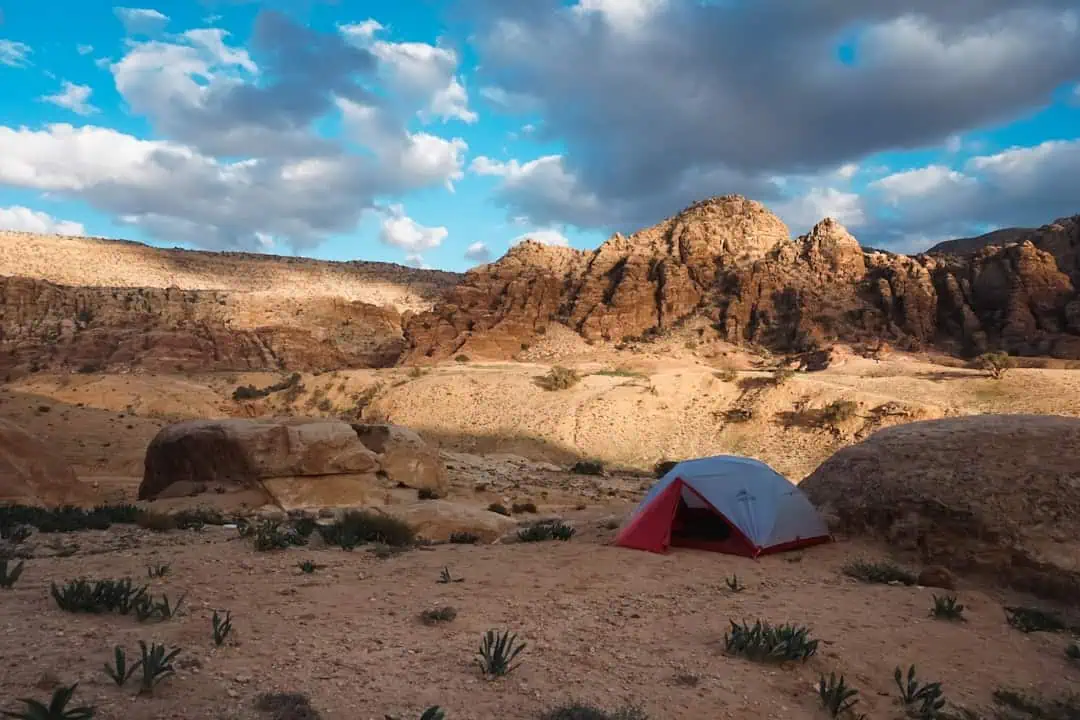
Owens Peak Wilderness (Short Canyon)
24 miles away