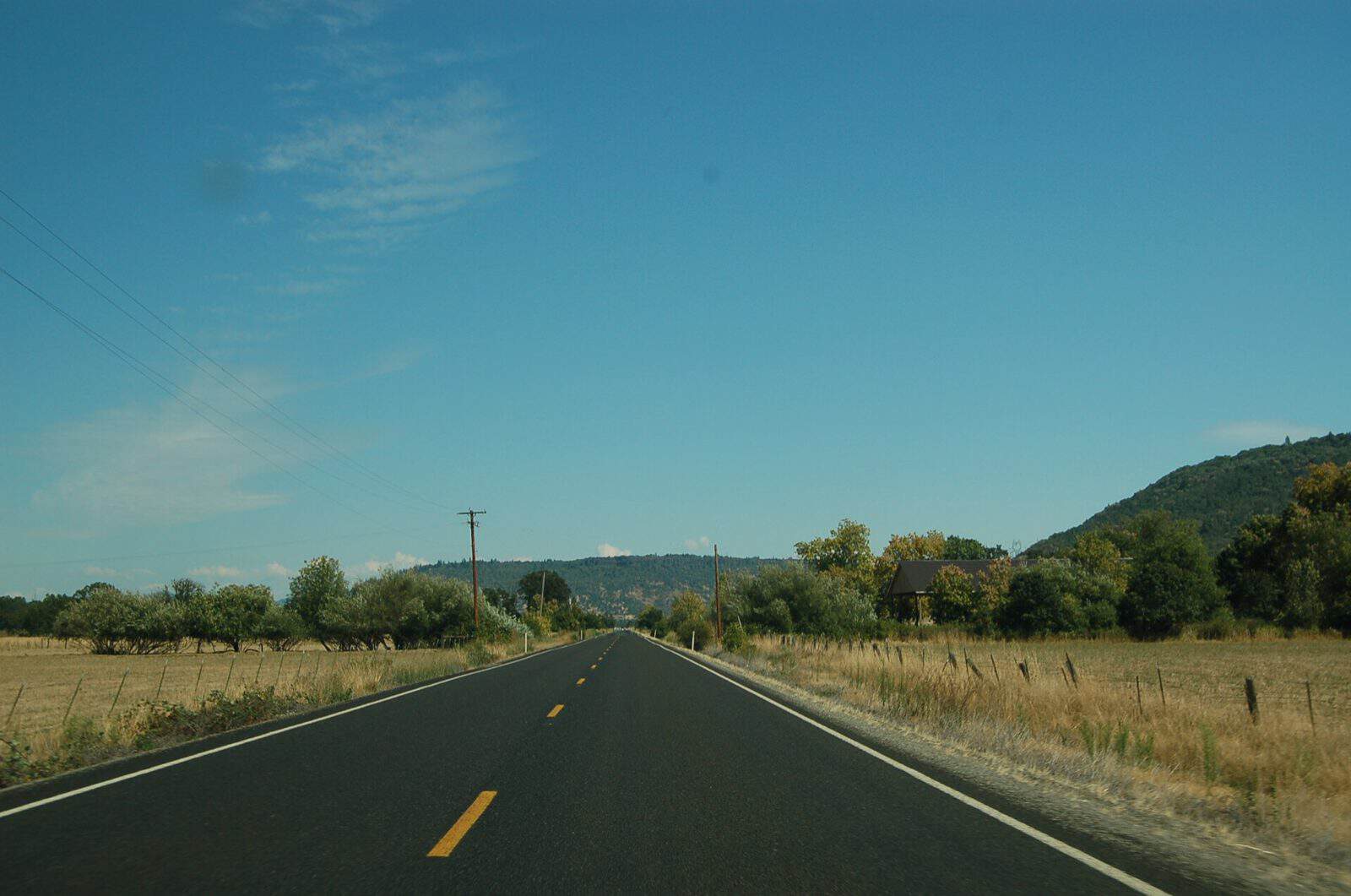
Spanning nearly one million acres across Oregon’s southern Cascade Range, Umpqua National Forest offers direct access to some of the Pacific Northwest’s most dramatic landscapes. Established in 1907, this protected wilderness shares a border with Crater Lake National Park, making it an ideal base for exploring the region’s volcanic terrain.
The forest’s diverse ecosystems range from high-elevation stands of western hemlock and true fir to lower valleys filled with old-growth ponderosa pine and oak groves. Diamond Lake, the forest’s crown jewel, sits at 5,182 feet and provides exceptional trout fishing against a backdrop of Mount Thielsen’s jagged spire.
With 44 developed campgrounds scattered throughout four ranger districts—Cottage Grove, Diamond Lake, North Umpqua, and Tiller—finding a site to match your style is straightforward. South Umpqua Falls Campground puts you steps from a stunning cascade, while Thielsen View Campground delivers mountain panoramas from your tent door. Boulder Creek and Lake In The Woods campgrounds offer quieter alternatives for those seeking solitude.
The North Umpqua River corridor draws anglers chasing steelhead and salmon, while hikers explore trails winding through Douglas-fir cathedrals and alpine meadows. Fishing remains productive from late spring through fall, with summer months ideal for camping and hiking.
Access the forest via Highway 138 from Roseburg, approximately 80 miles east. Most campgrounds and recreational facilities operate from late May through September, though lower-elevation areas remain accessible year-round. Winter brings cross-country skiing and snowshoeing opportunities around Diamond Lake.
Explore Nearby
- Susan Creek Falls Trail and Day-Use Area — Public Land in Oregon
- Wolf Creek Inn State Heritage Site — State Park in Oregon
- 8-mile North Umpqua Wild and Scenic River — Public Land in Oregon
- Farewell Bend State Recreation Area — State Park in Oregon
- Rogue-Umpqua Scenic Byway — Scenic Byway in Oregon