Louisiana State Parks: What to Know Before You Go
Louisiana has around 20 state parks, and they cover a lot of ground — literally and figuratively. You’ve got barrier island beaches at Grand Isle, cypress swamp paddling at Lake Fausse Pointe, a 31-mile rail-trail at Fontainebleau, and sandstone cave formations tucked into the pine hills near Franklinton. The ecosystems shift dramatically as you move across the state, which makes planning a little more interesting than just picking the closest dot on the map.
This page has a printable map of all the state parks in Louisiana, a quick breakdown of which parks have cabins or camping, and honest notes on what each park is actually good for. If you’re trying to book, reservations go through Go Outdoors Louisiana (reservations.gooutdoorslouisiana.com) — that’s the official system for both camping and cabin bookings.
Quick Answers: Louisiana State Parks FAQs
- How many state parks are there in Louisiana?
- Louisiana has approximately 20 state parks managed by the Office of State Parks under the Louisiana Department of Culture, Recreation and Tourism. The number can shift slightly as parks open, close, or change classification, so check lastateparks.com for the current list.
- What is the most popular state park in Louisiana?
- Fontainebleau State Park on the north shore of Lake Pontchartrain and Chicot State Park near Ville Platte are consistently the most visited. Fontainebleau draws people for its beach, the Tammany Trace trail, and easy access from the New Orleans metro. Chicot is the go-to for fishing, cabin stays, and hiking around its large man-made lake.
- How much does it cost to camp in Louisiana state parks?
- Rates vary by park and site type. Generally, expect roughly $18–$25 per night for basic or tent sites and $30–$45 per night for full-hookup RV sites. Cabin rates typically run $75–$150 per night depending on the park and season. Always confirm current pricing on Go Outdoors Louisiana before booking — rates do change.
- Do senior citizens get into Louisiana state parks for free?
- Louisiana residents aged 62 and older generally receive a 50% discount on camping fees and free day-use entry at most state parks. Policies and eligibility details can change, so verify the current senior discount program at lastateparks.com before your trip.
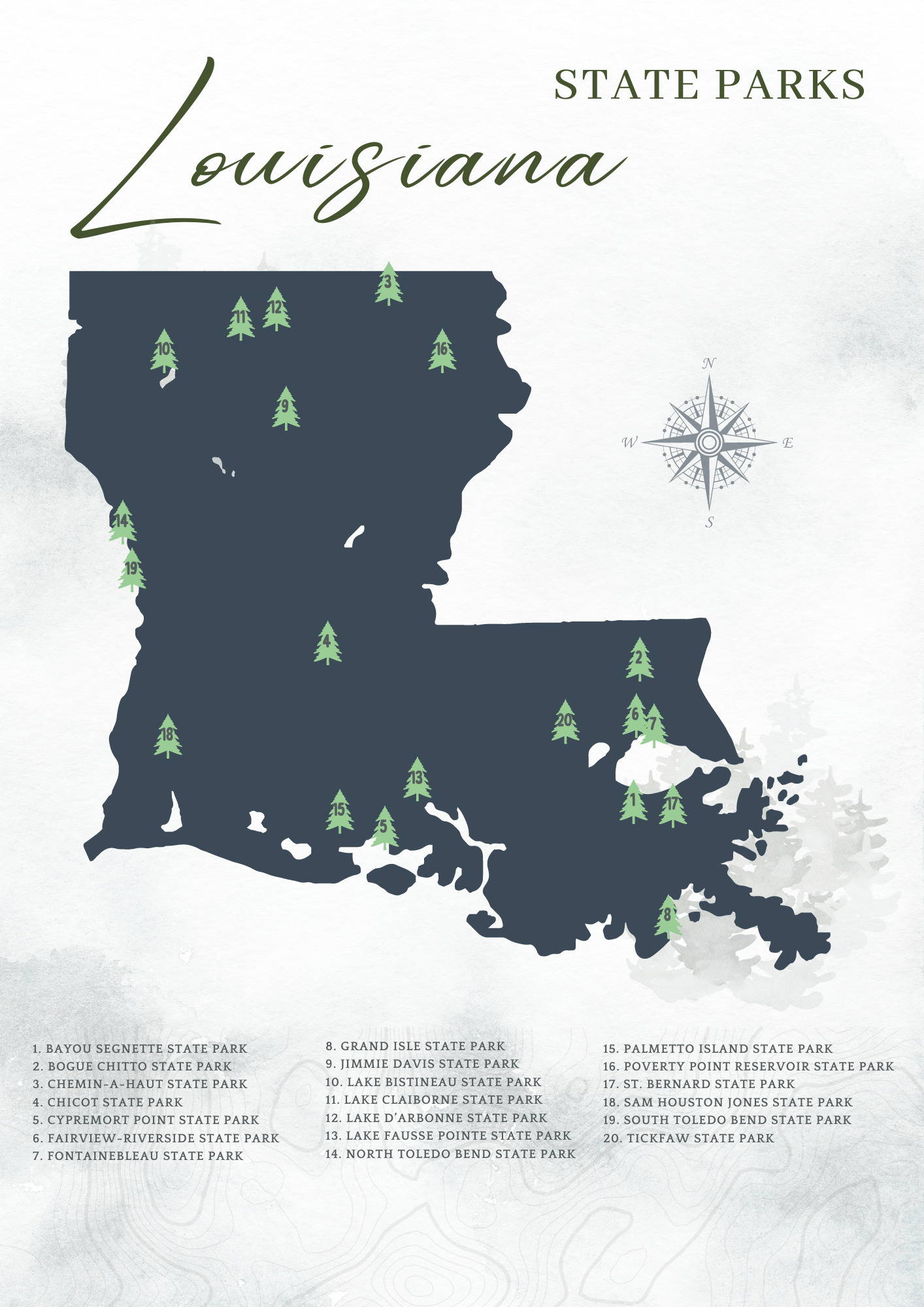
Printable Louisiana State Parks Map
Use the map below to get a sense of where the parks fall across the state. The spread is wider than most people expect — parks run from the Gulf Coast barrier islands all the way up to the Arkansas border.
Which Louisiana State Parks Have Cabins or Camping?
One of the most common questions people have when planning a trip is simple: can I actually stay overnight, and does the park have cabins? Here’s a quick reference. Confirm availability and current rates on Go Outdoors Louisiana before you book.
| Park | Cabins | Tent / RV Camping |
|---|---|---|
| Bayou Segnette | Yes | Yes |
| Bogue Chitto | Yes | Yes |
| Chemin-A-Haut | Yes | Yes |
| Chicot | Yes | Yes |
| Cypremort Point | Yes | No |
| Fairview-Riverside | No | Yes |
| Fontainebleau | No | Yes |
| Grand Isle | No | Yes |
| Jimmie Davis | Yes | Yes |
| Lake Bistineau | Yes | Yes |
| Lake Claiborne | Yes | Yes |
| Lake D’Arbonne | Yes | Yes |
| Lake Fausse Pointe | Yes | Yes |
| North Toledo Bend | Yes | Yes |
| Palmetto Island | Yes | Yes |
| Poverty Point Reservoir | Yes | Yes |
| Sam Houston Jones | Yes | Yes |
| St. Bernard | No | Yes |
| Tickfaw | No | Yes |
Cabin and camping availability can change. Confirm current options and book at Go Outdoors Louisiana.
Bayou Segnette State Park

If you’re coming from New Orleans and want to get into actual wetlands without a long drive, Bayou Segnette is the move. It sits just west of the city in Westwego, and it puts you right at the edge of where saltwater marsh meets freshwater swamp — two different habitats in one park, which is a bigger deal than it sounds.
The saltwater marsh here formed through Gulf of Mexico intrusion, and it supports a genuinely different mix of plants and animals than the swamp side. Wildlife-wise, you’ve got American alligators, bald eagles, red-tailed hawks, and a solid list of songbirds. It’s a good birdwatching spot without requiring you to drive three hours north. The park also has wave pool facilities and camping, making it one of the more family-friendly options near the city.
Bogue Chitto State Park
Bogue Chitto is south of Franklinton in Washington Parish, and it’s the kind of park that rewards people who actually read the trail map before showing up. The 1,786 acres cover forests, swamps, and the creek the park is named after — a solid paddling and fishing stream. The lodge with the 90-foot bluff view is worth knowing about if you want something more comfortable than a tent.
The standout feature here is Fricke’s Cave, which has delicate sandstone formations that you don’t see at most Louisiana parks. It’s not a dramatic cave system, but it’s genuinely unusual for this part of the state. The disc golf course, equestrian trails, and water playground round out a park that works well for groups with mixed interests.
Chemin-A-Haut State Park
The name means “High Road” in French, and the park earns it — a good chunk of it sits on a bluff above Bayou Bartholomew, which gives you views that feel out of place in flat north Louisiana. The park is about ten miles north of Bastrop off U.S. 425, so it’s not exactly on the way to anything, but that’s also why it’s quiet.
At 503 acres (with expansion underway toward 750), it’s a smaller park, but it covers the basics well: camping, fishing, hiking, picnicking, and an 8-mile equestrian trail. There’s also an on-site swimming pool, which matters a lot in a Louisiana summer. Good option if you’re passing through northeast Louisiana and want a real overnight stop rather than a chain motel.
Chicot State Park
Chicot is the one people mean when they say Louisiana has great fishing parks. Located near Ville Platte in Evangeline Parish, the park wraps around a 2,000-acre man-made lake stocked with bass, crappie, catfish, and bream. The 6,400-acre footprint gives it room for rolling hills that feel different from the flat coastal parishes — it’s one of the more scenic drives in central Louisiana once you’re on the park roads.
The cabin situation here is one of the better setups in the state park system: furnished cabins and lodges with lake access, on-site boat rentals, and a trail that circles the lake with primitive campsites along the way. If you want a cabin in a Louisiana state park and you’re not sure which one to pick, Chicot is a safe first choice. Deer, raccoons, coyotes, and bobcats are all around, though you’re more likely to see the smaller ones.
Cypremort Point State Park
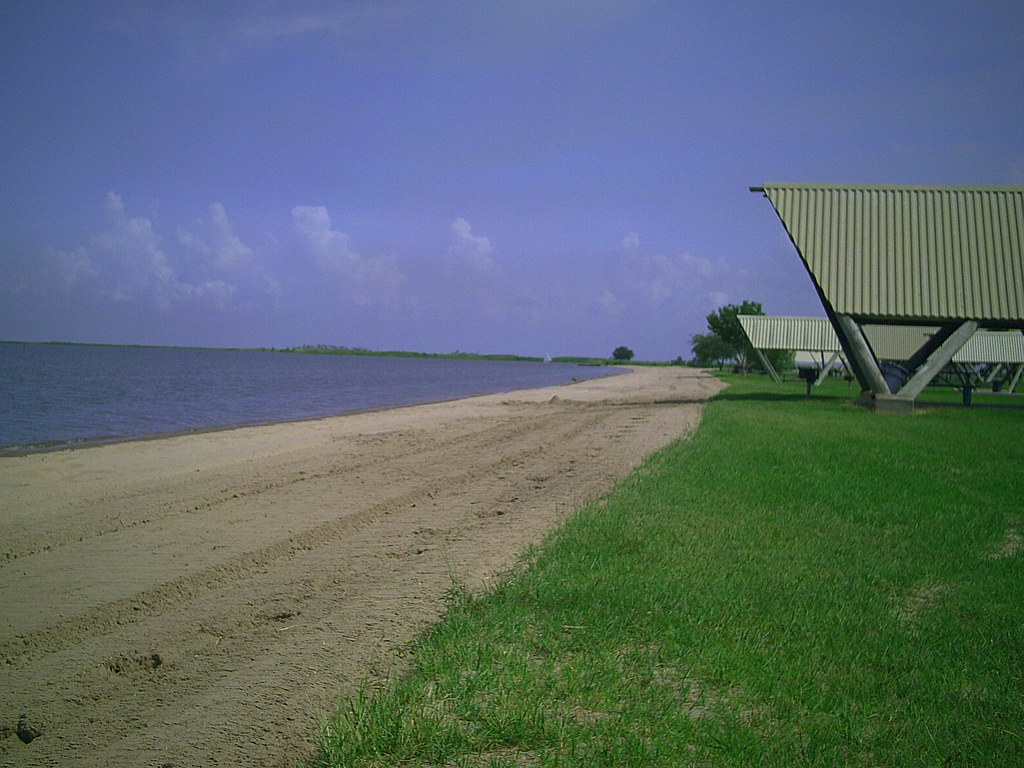
Cypremort Point is Louisiana’s answer to “where do I find a beach that isn’t Grand Isle?” It sits on Vermilion Bay with a half-mile stretch of man-made beach backed by coastal marsh — not a tropical postcard, but a genuinely pleasant Gulf Coast day trip. Fishing, sailing, and crabbing are all popular here.
The six on-site cabins book up fast in summer, so plan ahead if you want to stay overnight. The Chitimacha people historically considered this area a marker of their tribal land, which adds a layer of history to what otherwise reads as a straightforward beach park. It’s a smaller park without a lot of hiking, but for a coastal day out in Acadiana, it’s hard to beat.
Fairview-Riverside State Park

Two miles east of Madisonville along the Tchefuncte River, Fairview-Riverside is a compact 99-acre park that punches above its size. The Otis House Museum — an 1885 structure on the National Register of Historic Places — is the main historical draw, and the boardwalk through the forested wetlands along the river is a nice short walk even if you’re not staying.
The 100 campsites are well-maintained, and the park is close enough to Madisonville and Covington that you’re not stuck in the middle of nowhere if you need supplies. Good base camp for exploring the north shore of Lake Pontchartrain without paying Fontainebleau prices on weekends.
Fontainebleau State Park
Fontainebleau is the most accessible major state park in Louisiana if you’re coming from New Orleans — it’s on the north shore of Lake Pontchartrain near Mandeville, and the drive across the causeway is part of the experience. At 2,800 acres, it’s one of the larger parks in the system and one of the most varied.
The Tammany Trace rail-trail runs through the park and extends 31 miles total — it’s a legitimate cycling destination, not just a short nature loop. The park also has a beach, fishing pier, fishing pond, picnic areas, and a visitor center with museum displays. History-wise, the land was once a sugar cane plantation and brickyard, and remnants of that past are still visible. If you’re camping in Louisiana state parks for the first time and you’re based in southeast Louisiana, start here.
Grand Isle State Park
Grand Isle is Louisiana’s only inhabited barrier island, and the state park sits at its eastern tip. That geographic fact alone makes it worth understanding: this is a dynamic, storm-affected coastline, and the park has been through multiple hurricane impacts and ongoing restoration. Beach access, fishing for 300-plus species, an observation tower with coastal views, and bird watching during migration season are the main draws.
Check current park status before making the drive — Grand Isle has had closures and partial access changes following storm damage, and conditions can shift. When it’s fully open, it’s one of the more unique state parks in Louisiana: crabbing off the pier, camping near the Gulf, and a local culture that’s genuinely its own thing. The buried treasure folklore and rougarou legends are a bonus if you’re into that kind of local color.
Jimmie Davis State Park

Named after Louisiana’s two-time governor and country music singer (yes, really — he wrote “You Are My Sunshine”), Jimmie Davis State Park sits near Chatham in Jackson Parish on Caney Creek Lake. The mixed pine-hardwood forest setting is a good change of pace from the cypress swamp parks further south.
Fishing is the main event — the lake is stocked and the park has boat rentals and a fishing pier. Cabins are available for overnight stays, and the campground works well for RVs. It’s a quieter park that doesn’t get the same traffic as Chicot or Fontainebleau, which is either a drawback or a selling point depending on what you’re after.
Lake Bistineau State Park

Lake Bistineau is in Bossier Parish near Doyline, and the lake itself — a large, cypress-lined reservoir — is the reason to come. Fishing and boating are the primary activities, and the park has cabins and camping for overnight stays. The cypress trees standing in the water give it that classic Louisiana bayou look that photographs well and feels genuinely remote even though Shreveport is not far away.
It’s a good option if you’re exploring northwest Louisiana and want a park that feels less developed than some of the bigger destinations.
Lake Claiborne State Park
Lake Claiborne is in Union Parish near Homer, built around a 6,400-acre reservoir that’s one of the larger lakes in the north Louisiana state park system. Swimming beach, fishing, boating, and a campground with hookups make it a full-service park. Cabins are available for those who want a roof over their head.
The longleaf pine and hardwood forest around the lake is worth noting — it’s a different feel from the swampy south Louisiana parks, and the fall color is actually decent by Louisiana standards. Good stop on a road trip through the Piney Hills region.
Lake D’Arbonne State Park
Lake D’Arbonne is near Farmerville in Union Parish, on a 15,250-acre reservoir that’s one of the most popular fishing lakes in north Louisiana. The state park gives you access to the lake with a boat launch, fishing pier, swimming area, and a campground. Cabins are available if you want to stay more than a day.
Bass fishing here has a strong local following, and the park tends to be busy on spring weekends. If you’re driving through the Ouachita region and want a park with real water access, this is a solid choice.
Lake Fausse Pointe State Park
Lake Fausse Pointe is one of the more underrated parks in the system, and people who’ve been there tend to say so. It’s in St. Mary Parish near St. Martinville, deep in the Atchafalaya Basin — which means you’re surrounded by cypress-tupelo swamp in a way that feels genuinely wild rather than managed-park wild.
Cabins here are built on stilts over the water, which is a different experience from a standard park cabin. Canoe and kayak trails wind through the swamp, and the wildlife — herons, egrets, alligators, wood ducks — is consistently good. If you want a Louisiana state park cabin experience that feels like it belongs in Louisiana specifically, Lake Fausse Pointe is the one to book. It’s less crowded than Chicot and more atmospheric than most.
North Toledo Bend State Park
North Toledo Bend sits on the Texas-Louisiana border reservoir of the same name, in Sabine Parish near Zwolle. The 185,000-acre Toledo Bend Reservoir is one of the largest man-made lakes in the South, and the state park gives you a well-positioned base for fishing, boating, and water skiing.
Cabins and camping are both available, and the park has a swimming pool and boat launch. It’s a long drive from most Louisiana population centers, but if you’re specifically after big-water fishing and a quiet overnight, it’s worth the trip.
Palmetto Island State Park
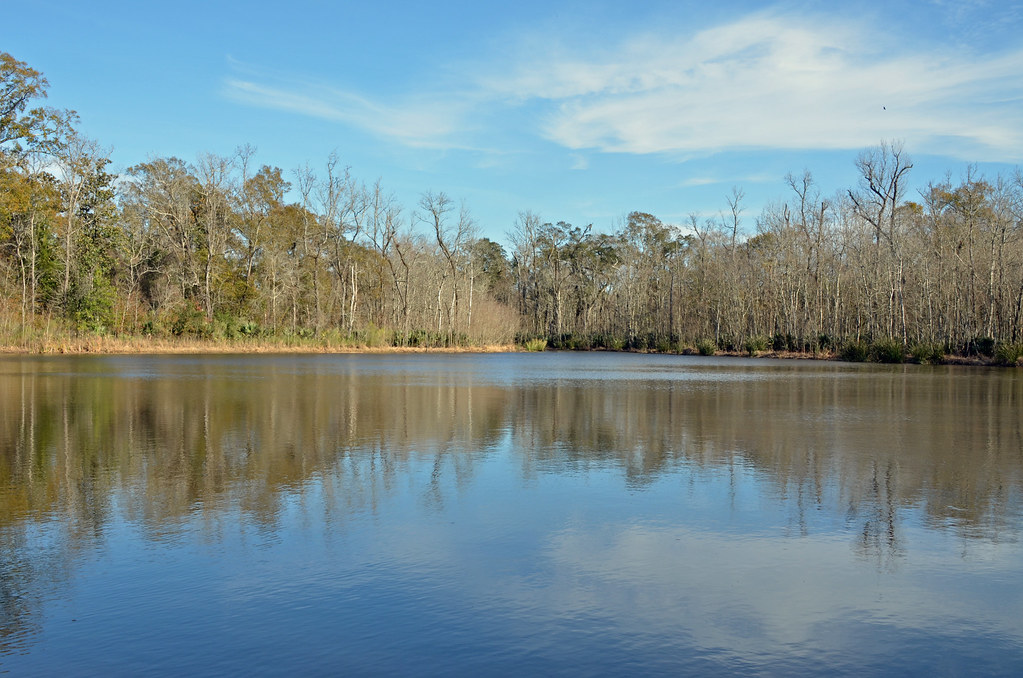
Palmetto Island is in Vermilion Parish near Abbeville, and it’s named for the dwarf palmetto palms that grow throughout the park — a coastal Louisiana plant that gives the place a subtropical feel. The park covers wetlands, lagoons, and wooded areas, with hiking trails, a fishing lagoon, and cabins for overnight stays.
It’s a smaller, quieter park that works well as a day trip from Lafayette or as an overnight stop if you’re exploring the Cajun Prairie and coastal marsh region. Birdwatching is good here, especially during migration.
Poverty Point Reservoir State Park
Poverty Point Reservoir is in Delhi in Richland Parish, and it’s one of the newer parks in the system. The reservoir is the main draw — fishing, boating, and a swimming beach. Cabins and camping are available. The name comes from the nearby Poverty Point World Heritage Site, a prehistoric Native American earthworks complex that’s one of the most significant archaeological sites in North America — worth a separate visit if you’re in the area.
St. Bernard State Park
St. Bernard State Park is in Braithwaite, about 18 miles southeast of New Orleans in St. Bernard Parish. It’s a small park — around 358 acres — but it’s one of the closest state park camping options to New Orleans, which makes it useful for people who want to base near the city without paying city prices.
The park has a swimming lagoon system, picnic areas, and a campground. It’s not a wilderness experience, but it’s a functional, well-located park for a quick overnight or a day out of the city.
Sam Houston Jones State Park
Sam Houston Jones is near Lake Charles in Calcasieu Parish, and it’s a bigger, more varied park than its location in southwest Louisiana might suggest. The park covers 1,087 acres of pine forest, rivers, and bayous, with a network of waterways that’s good for fishing and paddling.
Cabins and camping are both available, and the park has a boat launch, fishing pier, and nature trails. It’s a solid option if you’re passing through the Lake Charles area and want a real overnight stop — the piney woods setting is a nice contrast to the coastal marsh parks further south.
Tickfaw State Park
Tickfaw State Park is near Springfield in Livingston Parish, built around the Tickfaw River and its surrounding bottomland hardwood forest. The park has elevated boardwalks through the swamp — a good way to get into the wetlands without getting wet — and canoe and kayak rentals for getting on the water.
It’s a day-use-focused park without cabins, but the camping is available and the location between Baton Rouge and New Orleans makes it a reasonable stop on the I-12 corridor. The river itself is a pleasant paddle, and the wildlife — turtles, herons, otters, and the occasional alligator — makes it worth the detour.
Planning Your Trip: A Few Practical Notes
Most Louisiana state parks require reservations for camping and cabins, especially on weekends and holidays. Book through Go Outdoors Louisiana — that’s the official reservation system, and it’s where you’ll find current availability and pricing. Cabin spots at popular parks like Chicot and Lake Fausse Pointe can fill weeks out during spring and fall.
If you’re planning a longer road trip through the state, the parks divide naturally into regions: the southeast parks (Fontainebleau, Fairview-Riverside, St. Bernard, Tickfaw) are within reach of New Orleans; the central parks (Chicot, Lake Fausse Pointe, Palmetto Island, Cypremort Point) anchor an Acadiana loop; and the north Louisiana parks (Chemin-A-Haut, Lake Claiborne, Lake D’Arbonne, Jimmie Davis) work well together on a Piney Hills route. The map at the top of this page is the fastest way to see how they cluster.