You can picture the coast at dusk and already know a lighthouse like Point Reyes, Bass Harbor Head, or Hook will stand out on the map. You can actually sleep in places like the keeper’s quarters at St. Augustine, a cozy guest suite at Chania Lighthouse, or a cottage by Cape Disappointment — these lighthouses are not just sights; they are overnight stays that sit right on the water you came to see.
Run through this list and you’ll find options from Maine’s rocky headlands to Oregon’s surf-swept rocks and even Crete’s island light. Each one shows how lighthouses fit into the shoreline around them, what the night actually feels like inside a keeper’s house or guest suite, and the practical details you need to plan a real stay.
1) Point Reyes Lighthouse, California
Reached by a steep stairway off the Point Reyes headland, this lighthouse watches over the Gulf of the Farallones and the shipping lanes running south of the Golden Gate. Winds and seabirds shape the view. The Pacific is right there, not as a backdrop but as the whole point.
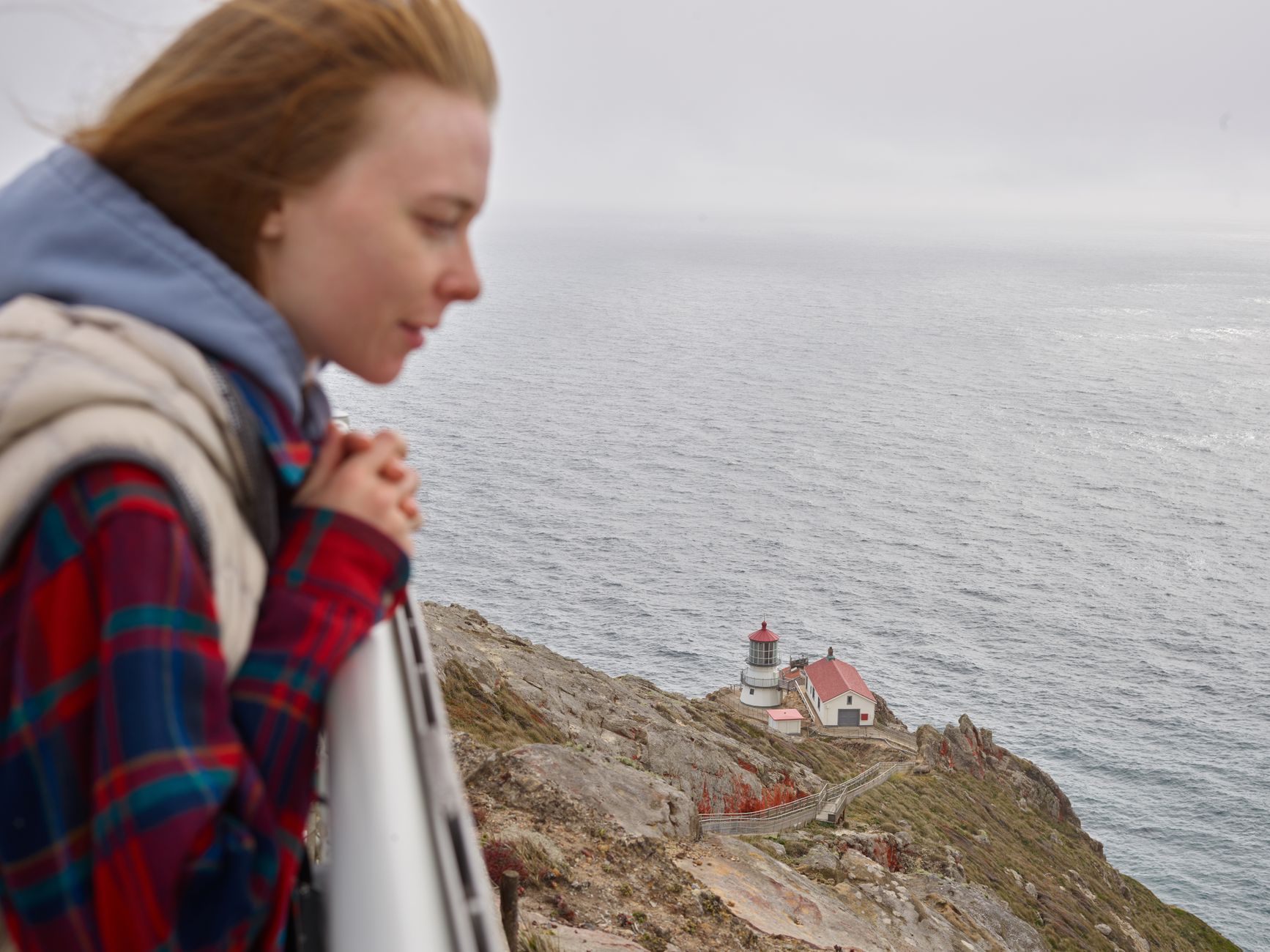
Staying means a bunk-style keeper’s quarters when available through the park’s volunteer or special programs. Nights are quiet and raw. You’ll hear surf and wind more than traffic, and on clear evenings the stars are worth stepping outside for.
Expect basic accommodations: shared rooms, communal kitchen access when the program runs, and no on-site restaurant. Bring warm layers and plan for fog and chilly air. It’s about the setting — the raw coastal geography — and sleeping where lighthouse work once actually happened.
2) Bass Harbor Head Light, Maine
Sitting at the tip of Mount Desert Island, Bass Harbor Head Light watches over the mouth of Bass Harbor and the Gulf of Maine. The light is just off the route into Acadia National Park, so you can pair coastal roads with wooded trails without much backtracking on the map.

The stay is in a simple keeper’s-style cottage nearby rather than inside the tower. Some rentals offer cozy rooms with maritime touches and shared kitchen space; others are private cottages run by the park or local innkeepers. Nights are quiet except for waves and foghorns in heavy weather, and the sky gets dark enough for decent star viewing.
Parking is limited during tourist season and the site can close at dusk, so check access rules before you arrive. Bring warm layers. Ocean air gets cold fast, even in summer. If you like looking at maps, the head light helps you place the island’s bays and channels in one easy, readable view.
3) Heceta Head Lighthouse Keeper’s Quarters, Oregon
On the central Oregon coast between Florence and Yachats, Heceta Head sits on a steep headland above sea cliffs and spruce forest. The light guides ships along a rocky stretch of coastline, and you get ocean sounds and coastal weather right outside the windows. This is one of those spots that looks good on a map and feels even better in person.

The stay is in the restored keeper’s quarters, now run as a small B&B. Rooms feel like old rooms updated for comfort: hardwood floors, period touches, and big windows with ocean views. A trail leads down to the beach and the photogenic lighthouse headland.
Book ahead — it fills up in summer and stays foggy much of the year, which is either a feature or a drawback depending on your taste. You’ll need a car to reach nearby towns for food, but the site itself feels like a coastal outpost worth more than one night.
4) Pemaquid Point Light Keeper’s House, Maine
Maine’s rocky midcoast is a maze of headlands and small islands, and Pemaquid Point sits right at its edge, where the Atlantic meets Muscongus Bay. Tides, rock ledges, and working harbors are all visible from here. It’s real coastal geography, not a sanitized version of it.

The stay is in the keeper’s house next to the classic white brick tower. Simple, furnished, with bedrooms, a kitchen, and old-school coastal charm rather than anything approaching luxury. At night you hear gulls and surf, and the tower light still turns. There’s something grounding about sleeping in a house that’s still technically part of a living aid to navigation.
The site is run by the state and a local trust, so bookings fill fast in summer. Winters are cold and many services close, but the off-season brings quieter roads and clearer skies. Bring a jacket for wind off the water and a car for reaching nearby towns.
“There’s something grounding about sleeping in a house that’s still technically part of a living aid to navigation.”
5) West Quoddy Head Light Cottage, Maine
This is the easternmost tip of the United States, where the Bay of Fundy meets the Gulf of Maine and the land juts into wide, cold water. The red-and-white striped tower marks Lubec and Calais on the map. Tides run strong here, and Canada sits just across the channel. On a clear morning, the view traces both countries.

The keeper’s cottage beside the active light rents as a simple two-bedroom with a kitchen and views of rocky shore and shipping lanes. Nights are quiet except for foghorns and distant boat traffic. The light still turns, and you’ll hear its cadence when the night fog rolls in.
The road out is narrow and seasonal, so check access and ferry times if you plan day trips. Even summer evenings feel salty and brisk here, so pack accordingly. Wake up early and the horizon shows a long sweep of Maine coast and working waters you can trace, point by point, on a map.
6) Race Point Lighthouse Keeper’s House, Massachusetts
Race Point sits at the tip of Cape Cod, where Provincetown meets the Atlantic and the bay, and where Cape Cod Bay and the open ocean collide. Sand flats stretch to one side, wide raw water to the other. The light has been sorting out this tricky geography for ships since 1816.
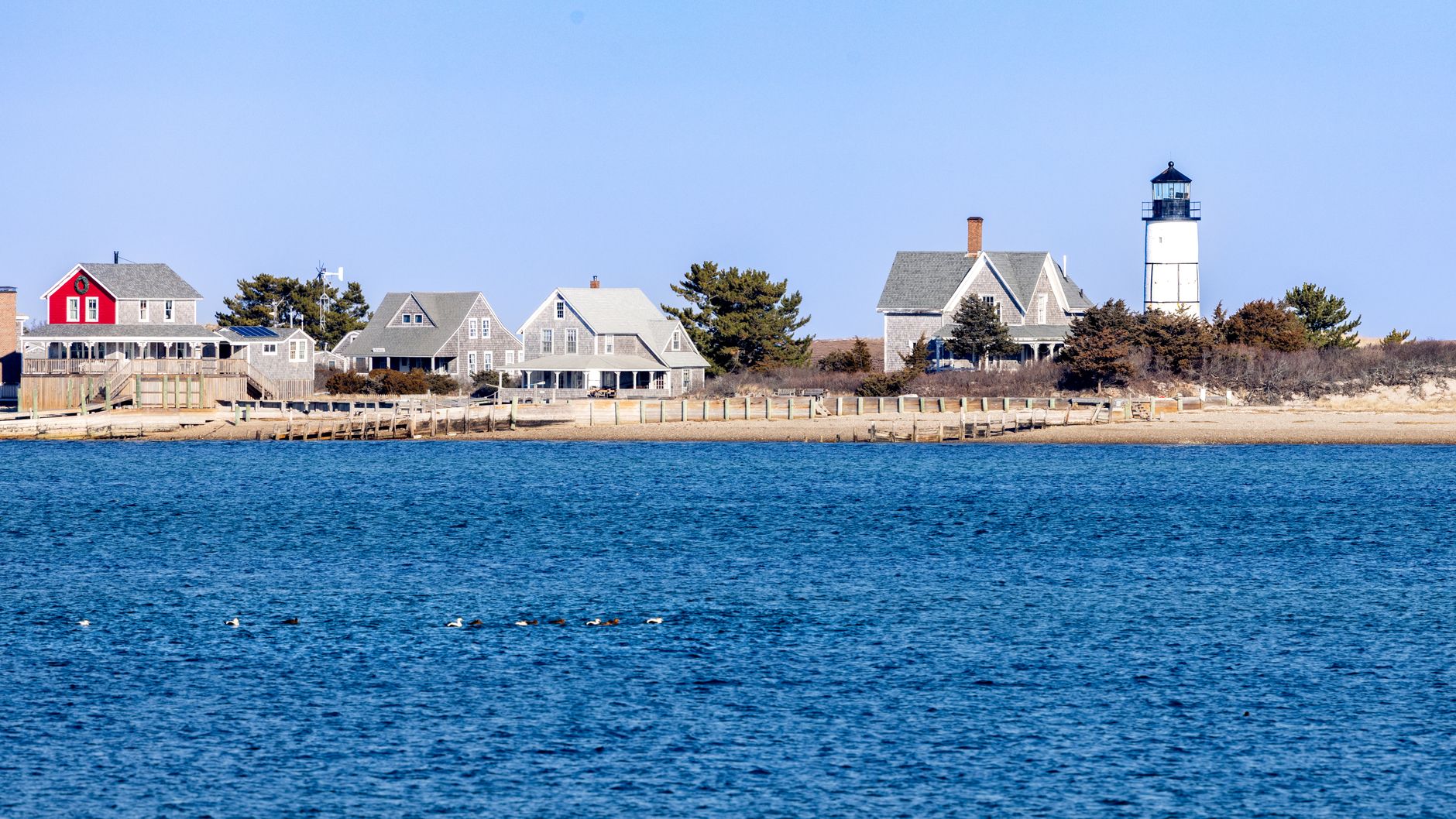
The keeper’s house is a state-run rental a short walk from the tower. Simple rooms with original trim, shared spaces, and windows that face the dune line. Nights are quiet except for surf and distant boat lights. This is not a crowded hotel situation.
Expect basic comforts rather than amenities: heating, kitchen access, and a few beds, depending on the room. Bring warm layers and bug spray in summer. The walk from the parking area can be sandy and blustery, which is part of the appeal. If you like thinking about how land, sea, and sky rearrange depending on the direction you face, Race Point gives you a lot to work with.
For lighthouse stays run by state parks or preservation trusts, booking windows often open months in advance and fill faster than you’d expect. Set a calendar reminder for the exact date the booking window opens rather than trying your luck in spring. Summer weekends at places like Race Point and Pemaquid go within hours.
7) St. Augustine Lighthouse Keeper’s House, Florida
On Anastasia Island, just north of downtown St. Augustine, the keeper’s house sits where the Matanzas River meets the Atlantic. The tall red-and-white lighthouse is next door, near tidal marshes and old naval grounds. The location feels like a working coastal place more than a resort, and that’s the draw.
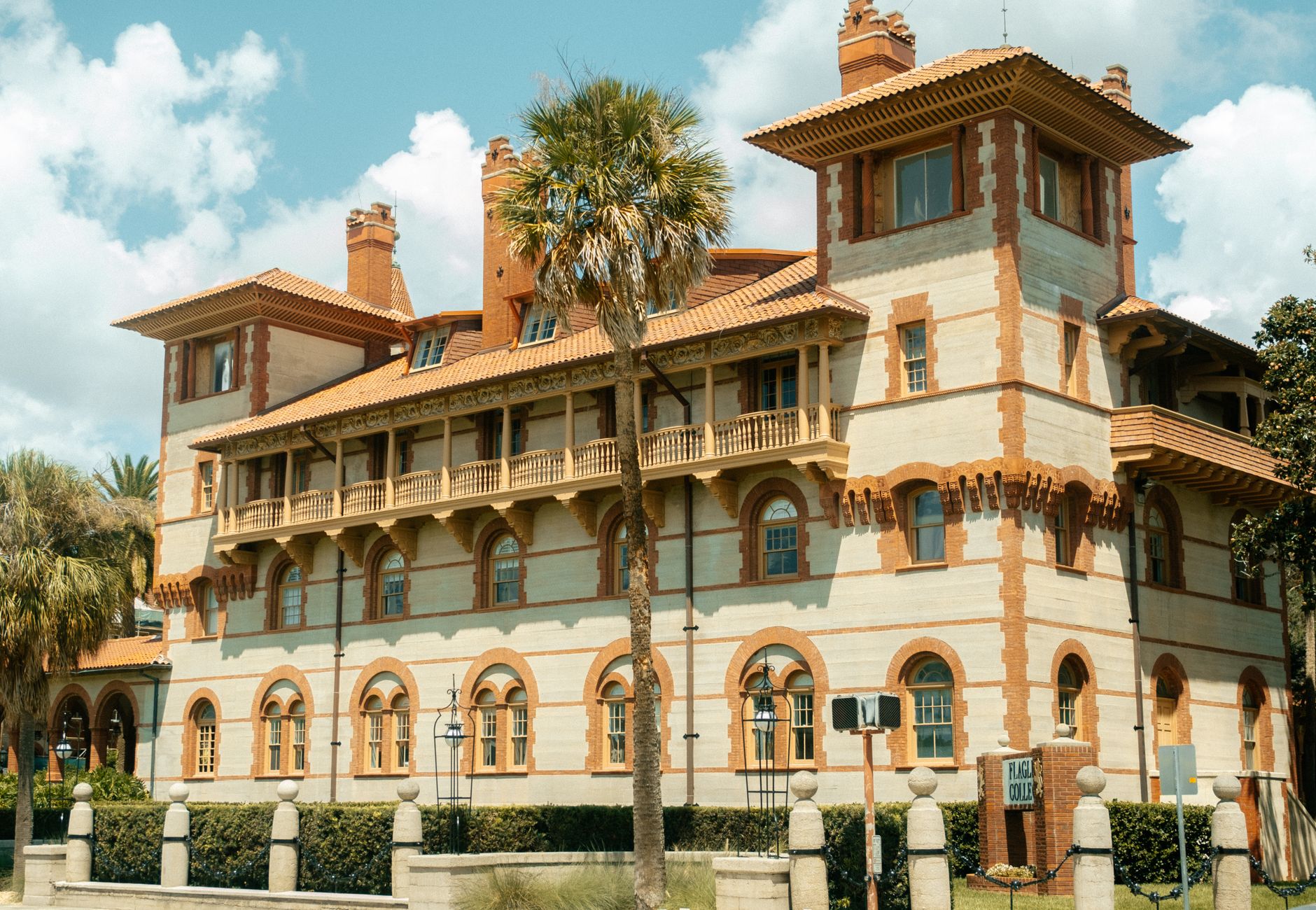
Stays are in restored keeper’s quarters run as a small bed-and-breakfast and museum lodging. Rooms are simple and historic, with modest period furnishings and views toward the inlet or the lighthouse grounds. Nights are quiet. Waves, birds, the occasional boat horn.
Rangers and volunteers often give evening talks or torchlight tours, which adds useful local context if you want to understand the shipwrecks and coastal navigation history that shaped this stretch of Florida coastline. Worth knowing: it’s an old house with stairs and narrow rooms, so plan accordingly for mobility needs and limited on-site parking.
8) Block Island Southeast Light Keeper’s Quarters, Rhode Island
Above steep cliffs and beach coves on Block Island’s southeast tip, this light watches the Atlantic and Block Island Sound. It marks a clear navigation corner on the map, a place where open ocean meets calmer harbor waters, and staying here makes that geography feel physical rather than abstract.
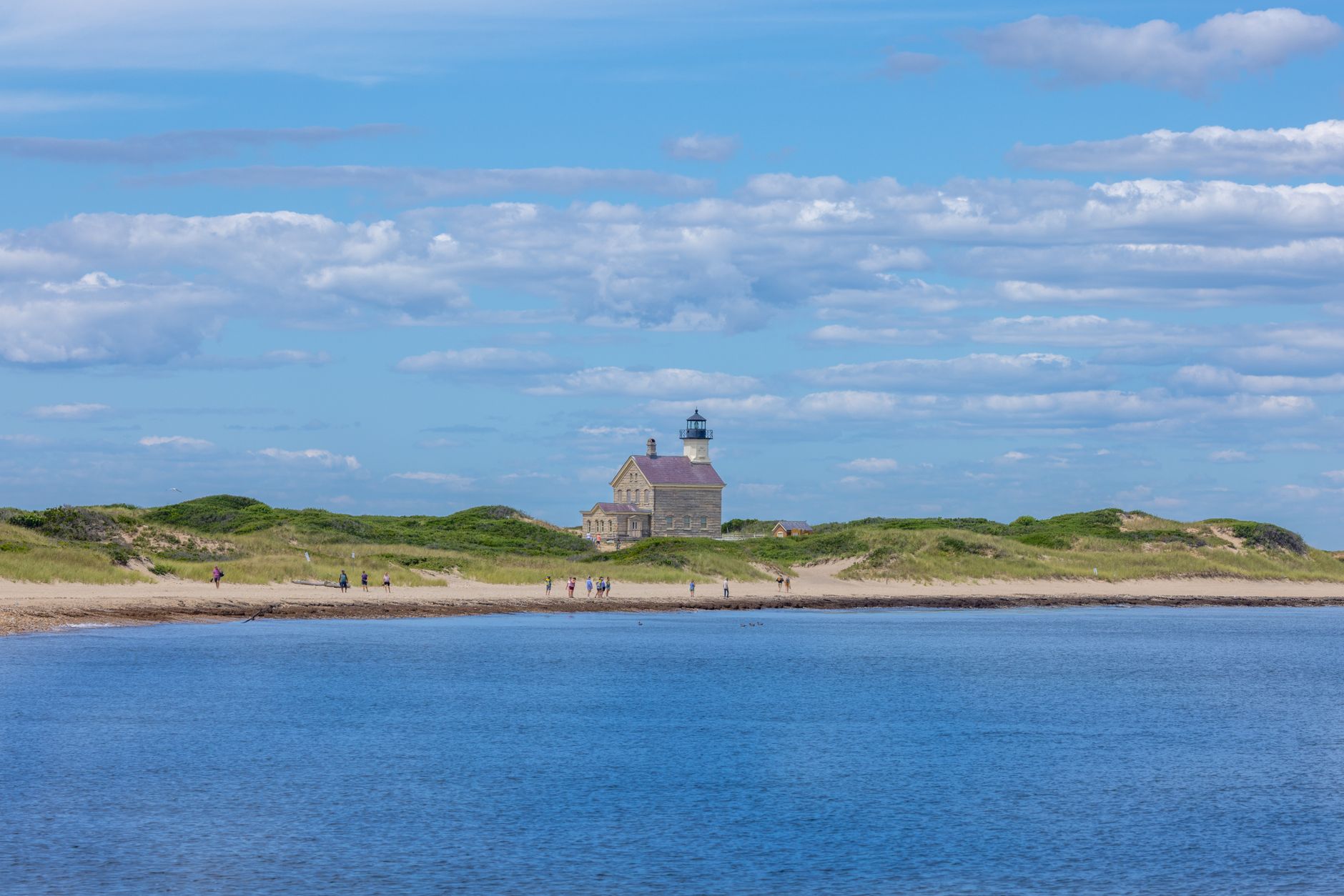
The keeper’s quarters rent as a simple, historic house attached to the light station. Basic rooms with period details, a small kitchen, and close neighbors in the form of gulls and surf. At night, you hear waves and occasional foghorns, not city noise.
Getting here involves a ferry from Rhode Island, then a walk or bike ride along narrow roads to the light. The property is part of a preserved site, so modern luxuries are limited, and summer bookings go fast. The upside is a clear, uncluttered sense of the sea routes this light once guided, which is a different thing from reading about it.
9) Tillamook Rock Lighthouse, Oregon
Off the northern Oregon coast, the lighthouse stands on a small basalt rock about a mile offshore, guarding the rough water where the Columbia River meets the Pacific. Find it on a map as a lone point southwest of Cannon Beach: isolated, exposed, surrounded by sea and sky. Waves and fog regularly rewrite the view.
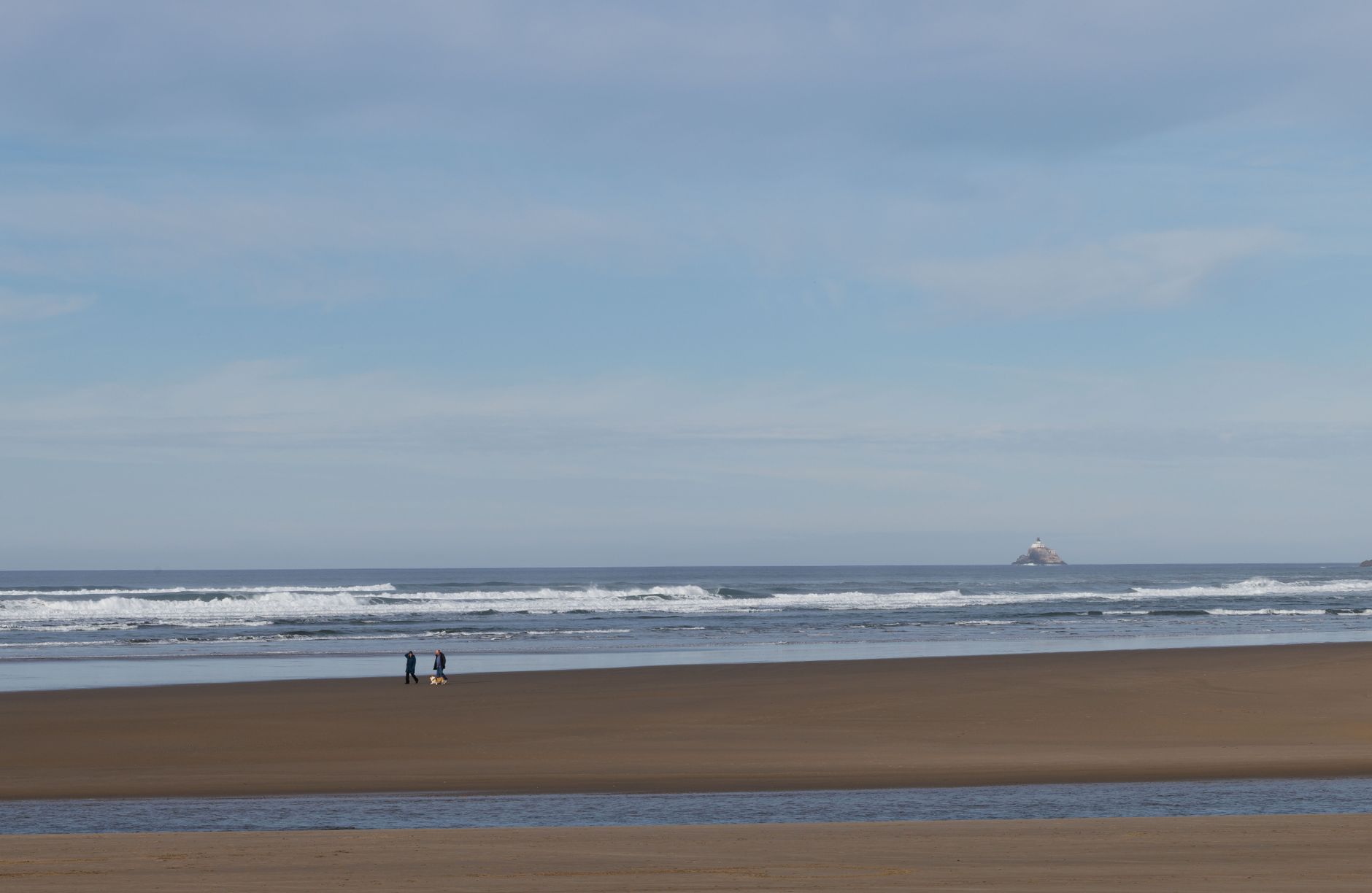
You don’t sleep inside the tower itself. The overnight option is a “stay aboard” on a moored vessel near the rock. The tour operator runs trips that let you circle the lighthouse, hear its history, and spend the night on deck or in bunk-style cabins on the boat. Light pollution is low, so stars can be clear between fog banks. Nights are mostly sea sounds and wind.
Expect wet shoes and a safety briefing. Weather can change fast, so the operator may adjust or cancel plans. Bring layers and a small flashlight. If you like thinking about how a single rock can shape shipping routes and rescue history across a century, this is a literal, salty way to experience that geography up close.
10) Cape Disappointment Lighthouse Cottage, Washington
Find the cottage on the far southwest tip of Washington, where the Columbia River meets the Pacific. The light watches over a busy channel and rocky headlands, with Fort Columbia and forested bluffs nearby. The name sounds ominous but the place earns its spot on any coastal map.
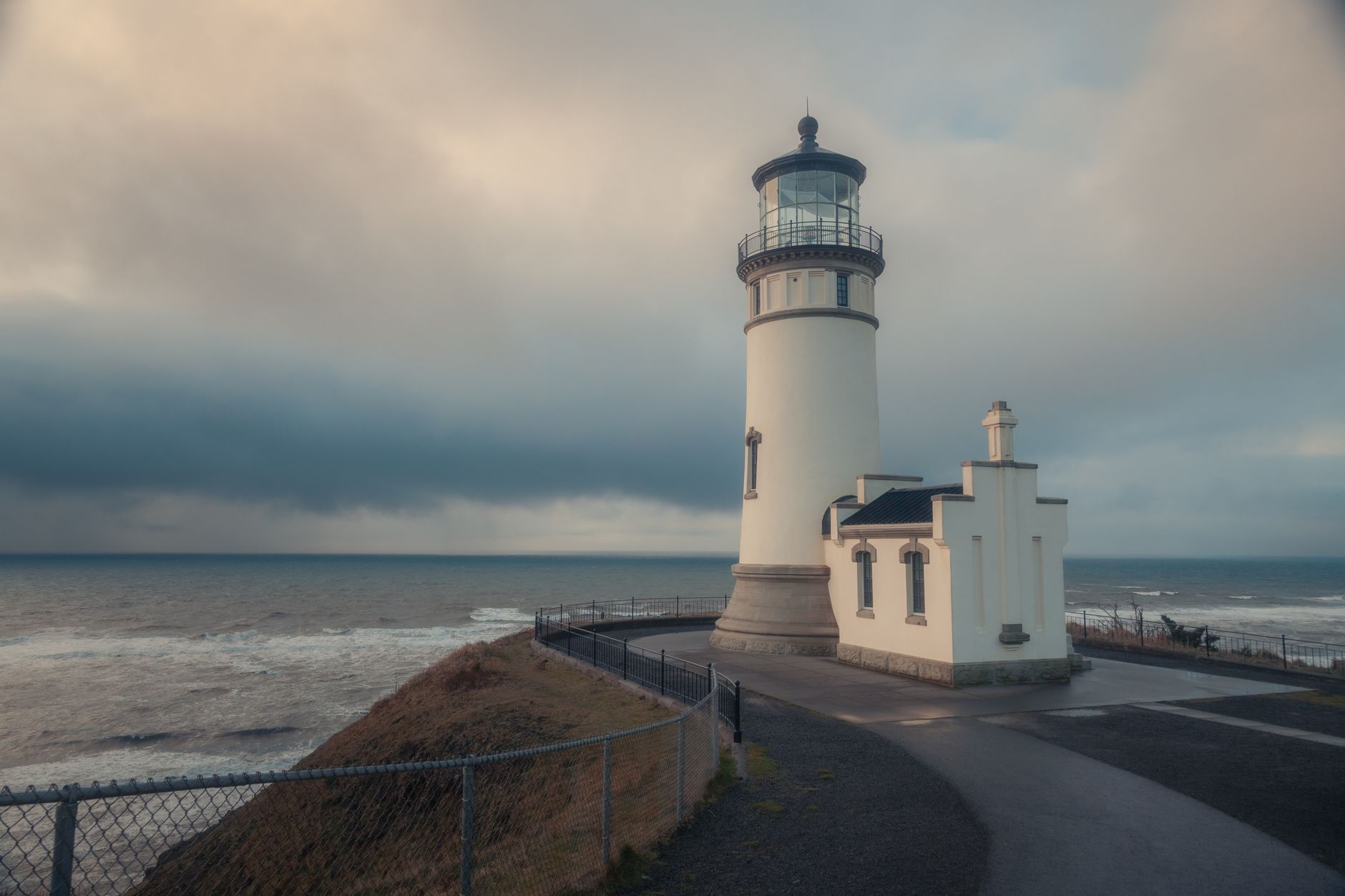
The keeper’s cottage is managed by the state park: simple, historic, with basic furnishings and a small kitchen area. Not a luxury inn, but it feels lived-in and honest. Nights are quiet and salty. Expect wind on the windows and the distant thump of waves.
Roads can be narrow and fog rolls in often, so plan to arrive with daylight and check park rules before you go. Trails and viewpoints are steps away, so you can walk out to the cliff edges at dusk. This is one of those places where the land, river, and sea come together in a way that’s immediately obvious once you’re standing there.
11) Portland Head Light Keeper’s Quarters, Maine
On the rocky head of Cape Elizabeth, where Casco Bay opens into the Gulf of Maine, Portland Head Light sits beside Fort Williams Park with ocean spray, walking paths, and boat traffic to the east and the city of Portland a short drive north. It’s one of the most-photographed lighthouses on the East Coast, but staying overnight changes the relationship with the place entirely.

The keeper’s quarters are attached to the old lighthouse property. Simple rooms with period touches, limited modern conveniences, and windows that look toward the water. The site closes to vehicles after dusk, so plan to arrive with time to settle in before the gate shuts.
Parking fills on busy summer days, and the keeper’s quarters follow park rules rather than hotel rules. Walking the grounds and reading the plaque panels about local maritime history takes an easy hour. For anyone who likes thinking about how a working harbor and a coastal fort fit together on the map, this headland makes the answer obvious.
12) Split Rock Lighthouse Lightkeeper’s House, Minnesota
Lake Superior doesn’t look like an ocean on a map until you’re standing on the North Shore bluff at Split Rock, looking at water that stretches all the way to the horizon. The lighthouse marks a stretch of coast between Duluth and Two Harbors: cliffs, pine, and waves that shift with the wind. Real lake geography, not the gentle kind.

The stay is in the lightkeeper’s house, a simple stone-and-wood cottage restored for guests. Rooms feel more like a mid-century ranger cabin than a hotel. Sturdy beds, original woodwork, and a quiet that comes from big water at night.
After dark, the park closes to cars, so the house settles into genuine stillness. Bring warm layers and good shoes. Nights on Superior are cool even in August. Booking is seasonal and fills fast in summer, and the site follows state park rules rather than hospitality industry ones, which is worth knowing before you arrive expecting room service.
[flavor_box asin=”B00ZDQU27M” style=”minimal”]13) Chania Lighthouse Guest Suite, Crete, Greece
At the tip of Chania’s old harbor, right where the city meets the Gulf of Chania, this lighthouse marks the harbor entrance and sits close to Venetian-era walls. From here, you can watch fishing boats and ferries come and go against a backdrop of old stone and seawall. It’s one of those locations where the history is layered in plain sight.

The guest suite occupies part of the former keeper’s space and feels like a small apartment. Compact, simple rooms with basic kitchen facilities, a sitting area, and big windows facing the water. Nights are quiet if the town roads wind down early, and you’ll hear sea and harbor life rather than traffic.
Tavernas and cafés are a short walk along the harbor, so late meals are easy to arrange. Access involves some steps and narrow paths along the pier, so pack light and be steady on your feet. The location compensates for the modest interior without any effort: you’re sleeping inside a piece of Chania’s working waterfront, and that’s a different thing from staying near it.
14) Hook Lighthouse Keeper’s Cottage, County Wexford, Ireland
Hook Point sticks into the Irish Sea at the tip of County Wexford, guarding the entrance to Waterford Harbour. The tower is one of the oldest working lighthouses in the world, and the keeper’s cottage sits a short walk from the base with wide views over rough coast and shipping lanes. The history here is not decorative. It goes back to the 12th century.
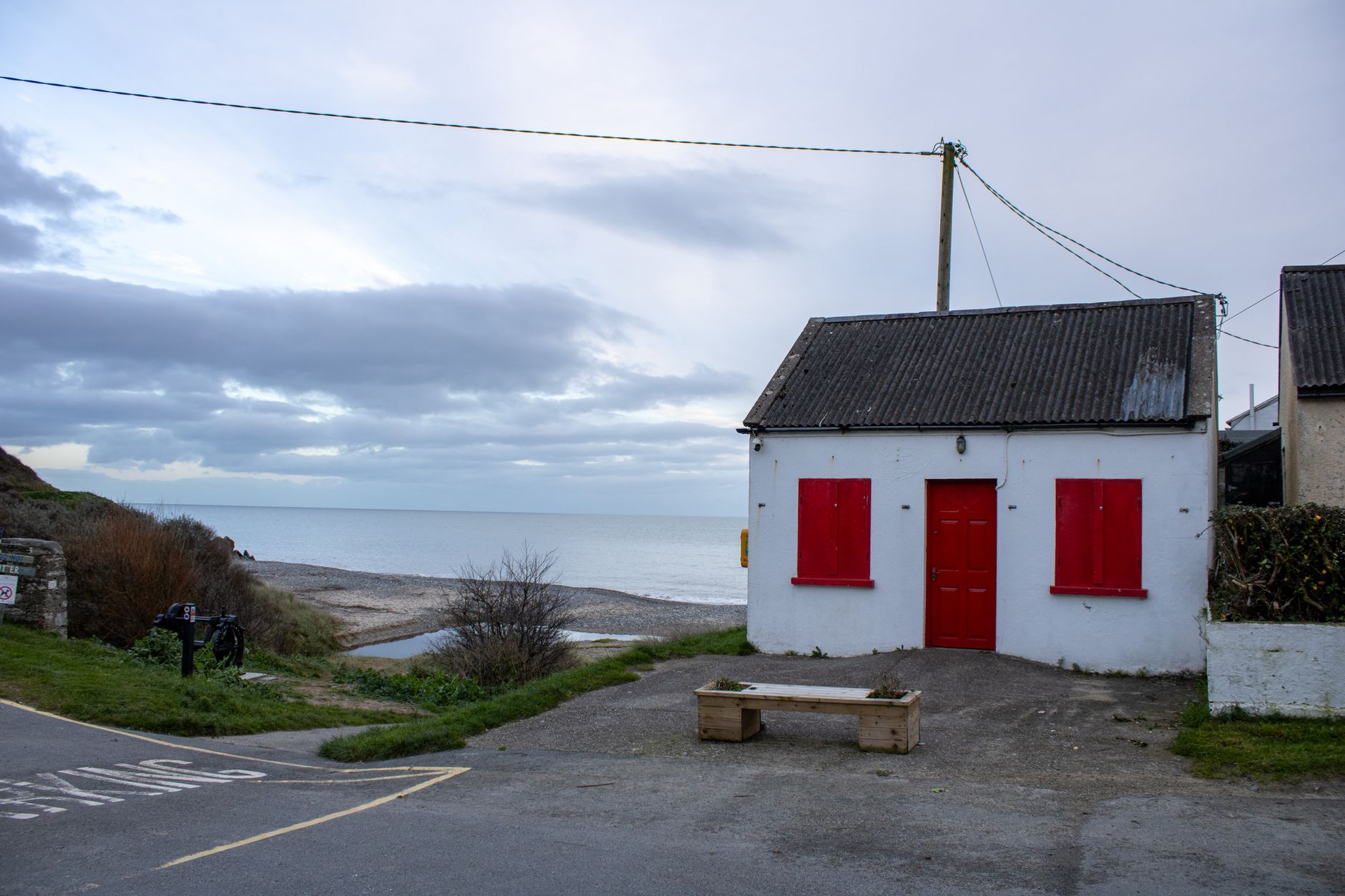
The accommodation is the keeper’s cottage with simple rooms and shared living space that still feels like a lived-in house. Nights are quiet except for gulls and the low wash of tides. The lighthouse light moves on its old rhythm, not a distant show but a part of the night around you.
Parking is on site, and the village of Hook Head is a short drive from shops and a pub. Bring warm layers. Coastal wind can bite even in summer, and the exposed headland earns its reputation. Expect basic comforts, not a luxury stay, and you’ll leave with a clear picture of why this particular point on the map mattered for centuries of ships moving in and out of the harbour.
What It’s Like to Sleep in a Lighthouse
Wind, waves, and a tall building that used to guide ships. Nights can be quiet or alive depending on tides, nearby towns, and how the keeper’s house was converted into a place to sleep. The experience is genuinely different from a hotel stay in ways that are hard to explain until you’ve done it once.
Sounds and Nighttime Atmosphere
At a Maine coast light, the sea makes the soundtrack: steady surf, buoys clunking, and the occasional foghorn from a mile off. On calm nights you’ll hear only small waves and birds roosting on rocks. In storms, the house creaks and the windows pick up slap and rattle. Inside, thick stone or timber walls muffle most outside noise, but the old stairwell often echoes footsteps and wind down the tower.
If the lighthouse sits near a harbor, expect distant boat engines and dock activity until late evening. Bring earplugs if you sleep light. If you prefer natural sound, open a window a crack to hear the tide change. Nighttime light patterns are controlled and safe; keepers who run rentals usually switch to hospitality mode, so you won’t get wild flashes unless the operator schedules them as part of the experience.
Views and Unique Perspectives
From keeper’s quarters you’ll see the water edge change with the tide and weather in plain focus. A rock-strewn foreshore looks different at dawn, when low sun hits wet stones, than at midnight under moonlight. If the lighthouse stands on a tiny island, the horizon reads uninterrupted. If it sits by a busy channel, you’ll watch freighters and fishing boats pass at close range.
Windows often face the same bearings the original keepers used to check for hazards, so your morning view is practical: buoys, charts, and shipping lanes. Sunrise and sunset are compact events here, short and bright, and easy to plan around because you can see the whole sky from one spot.
Modern Comforts in Historic Spaces
Many keeper’s quarters now offer beds, basic kitchens, and heating while keeping original beams or brickwork. You might sleep in a converted bedroom with a soft mattress, electric heat, and Wi-Fi that works sporadically, or in a shared bunkroom that keeps the lighthouse’s communal feel. Bathrooms vary: some have en suite showers, others share one clean bathroom down the hall.
Power can be a mix of grid and generator or solar, which means lights and plugs are reliable but worth planning around. Bring chargers and a flashlight. Hosts often leave practical notes about steep stairs, low door frames, and water access. If stairs to the tower are narrow or uneven, store heavy bags downstairs and keep nighttime trips to the lantern room minimal. These are working historic structures, not stage sets, and the quirks are part of what makes them worth booking.
Mapping Out Your Lighthouse Stay
Getting to a lighthouse is rarely straightforward, and that’s usually the point. Most of these sites sit at the end of a road that was never designed for tourist traffic: a gravel spur, a ferry crossing, a tidal causeway, or a park gate that locks at dusk. Planning the approach is as much a part of the trip as the stay itself.
Tips for Getting There
Check whether the property has a caretaker who hands over keys in person, and if so, confirm the window for arrival. Many lighthouse rentals have a gate or access road that closes at dusk, which means a missed ferry or a late departure from the city can strand you outside. Call ahead rather than relying on email alone.
The last stretch of road to many lighthouse sites is narrow, unpaved, or both. Low-clearance cars struggle on some approaches. If you prefer public transit, check whether a bike rental or taxi covers the final few miles from the nearest bus or train stop; some coastal trails double as access routes and are worth the effort. Pack a flashlight and warm layers regardless of season, and if you’re carrying heavy luggage, a rolling bag handles gravel better than a soft duffel.
Local Landscapes and Region Highlights
Most of these lighthouses sit at natural transitions: where a river mouth meets the sea, where an island’s tip faces open water, where a bay narrows into a shipping channel. Those transitions show up in the surrounding geography too. Tidal marshes, mudflats, rocky foreshore, and working piers are usually within walking distance, and each one adds context to why the light was built where it was.
Look for a local maritime museum or heritage centre within a few miles of wherever you’re staying. They’re often small, occasionally staffed by volunteers who actually know the local history, and they explain things that the lighthouse’s own signage glosses over. The town pub or harbor café is frequently the best place to ask where the shorebirds gather at low tide, which crab pots are active, and whether the forecast fog is the usual kind or the kind that means your morning view is a white wall.
By The Numbers
The United States has roughly 700 historic lighthouses still standing. Of those, fewer than 50 offer some form of overnight accommodation — through state parks, preservation trusts, or private operators. That ratio makes a lighthouse booking feel like something you actually had to find, not just click past on a travel aggregator.
The best lighthouse stays don’t try to compete with hotels. They offer something a hotel can’t: a specific, geographic position on the edge of something big, and a night spent inside a building that was put there for a reason.
Photos provided by Pexels.