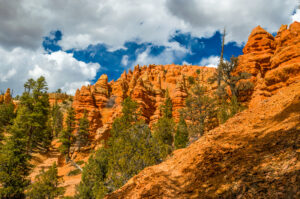
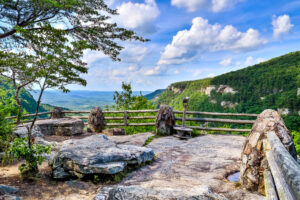
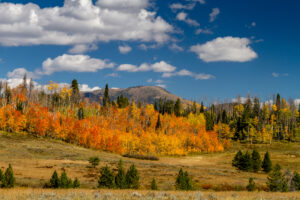
You’re already picturing Big Bend’s canyons and desert sky, and you can find that same feel much closer to home at parks like Seminole Canyon and Palo Duro Canyon. You can get Big Bend-style canyons, desert ridges, night skies, and river canyons without sitting through a six-hour drive.
This list points you to 15 Texas state parks and nearby spots that bring parts of Big Bend to shorter drives and easier plans. Expect real alternatives — not second bests — with practical notes on what to do, who each place suits, and the one honest snag to watch for.
1) Seminole Canyon: Big Bend canyons without the haul
Walk into narrow sandstone canyons and you’ll feel a dry, carved terrain that reminds you of Big Bend’s river cuts. The rock walls, desert plants, and the quiet river bends give a similar mood without the long drive.
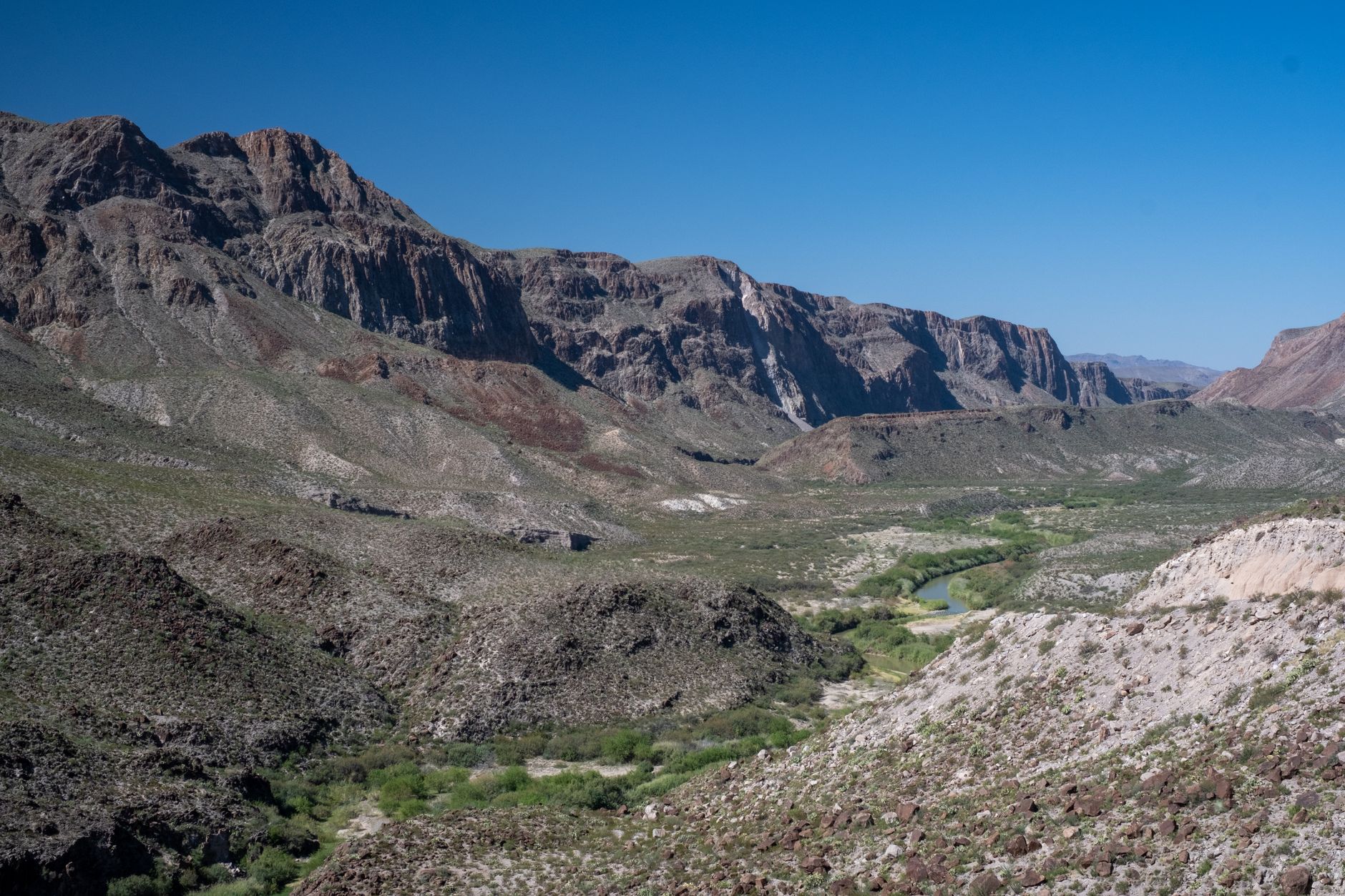
Seminole Canyon sits near the Rio Grande in far West Texas, about 20 miles west of Del Rio. You can hike short canyon trails, see ancient rock art on guided tours, and paddle the calmer stretches if water levels allow. Expect rugged, sun-baked trails and close-up geology that rewards slow walking.
This park fits you if you want canyon views on a short trip, not a multi-day expedition. Tours and river access can be seasonal, and guided rock-art walks fill up, so check schedules and book ahead.
2) Davis Mountains State Park: dark skies and basalt edges
Wide sky and dark nights that feel as close to Big Bend’s stars as you can find without the long drive. The park sits on a high plateau with rugged basalt cliffs that cut into big, open views.
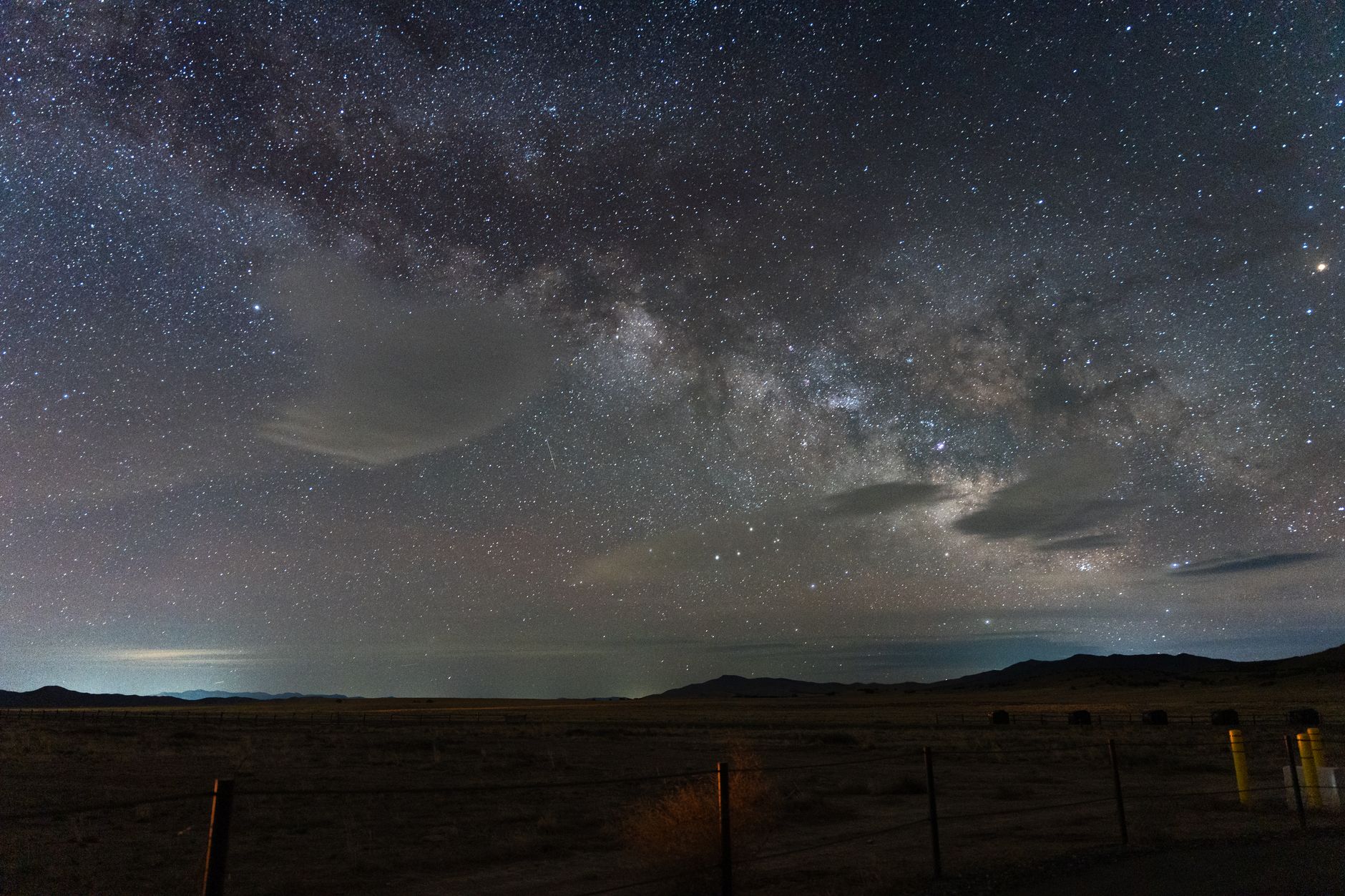
Davis Mountains State Park is near Fort Davis in West Texas, about three hours from Marfa. You can hike short trails along cliff edges, camp under clear skies, and use the on-site lights-off camping areas for serious stargazing.
Bring a jacket. Nights cool fast at this elevation. The park works well if you want quiet trails, photo stops, and night-sky time, but book campsites in advance — summer weekends and star-party nights fill up fast.
[flavor_box asin=”B00DV6SI3Q” style=”minimal”]3) Guadalupe River State Park pulls off a surprising canyon vibe
You get a river canyon feel here that hints at Big Bend’s water-carved rock, but it’s a greener, Hill Country version with granite outcrops and brisk rapids. The river cuts through live oak and cedar, giving short stretches of steep banks and clear riffles you can sit beside for a while.

The park sits between Kerrville and New Braunfels, an easy run from I-10. Paddle, tube, or hike the riverside trails; there are rocky overlooks and campsite loops with shade. It suits day-trippers and families who want brisk water and short hikes, not long desert solitude.
Bring a cooler and a tube for warm months. Expect crowds on summer weekends, reserve campsites early, and check river flow — conditions can shift significantly after heavy rain.
4) Colorado Bend State Park and the Gorman Falls trail
Walk into a steep, rocky slice of Texas where the Colorado River cuts a green ribbon through limestone cliffs. The narrow approaches, river pools, and a 70-foot waterfall give a canyon mood without the long drive to West Texas.
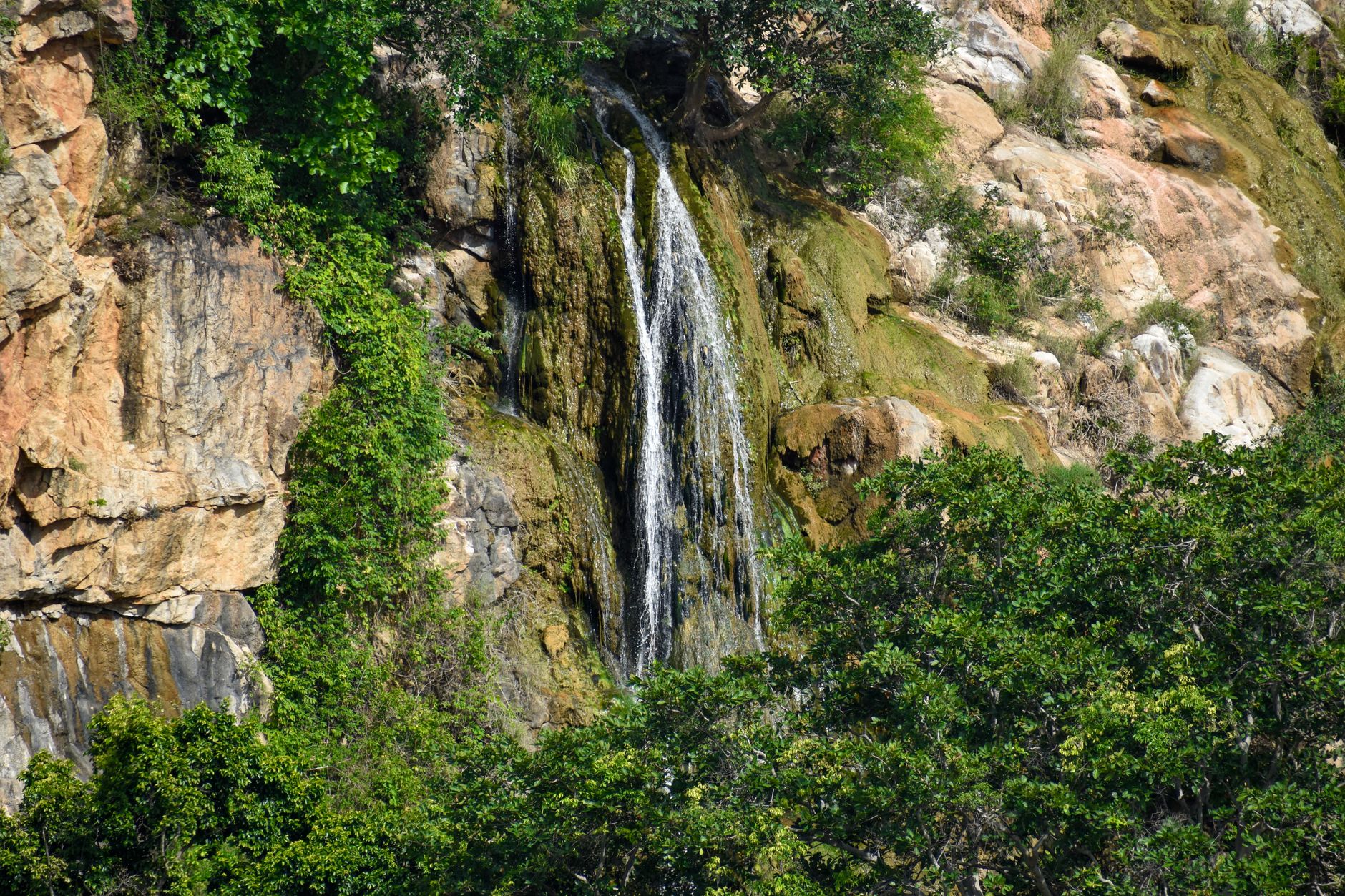
Colorado Bend sits northwest of Austin off 281 and 290. Hike the Gorman Falls trail for the best view, scramble a little on slick rock, and dip your feet in shaded pools. Bring water, sturdy shoes, and a camera if you like close-up geology.
This park works if you want rugged day hikes or primitive camping rather than paved overlooks. Gorman Falls requires a short off-trail approach, and the site can fill up, so check vehicle permits and trail access before you go.
5) Caprock Canyons: red escarpments and open prairie
Red cliffs and wide prairie that feel like a smaller, sun-baked cousin of Big Bend. The rocks carry that same deep color and the scale can feel genuinely remote, even if you’re not in far West Texas. The park mixes badlands, mesas, and open grassland, so you still get long sightlines and rough geology.
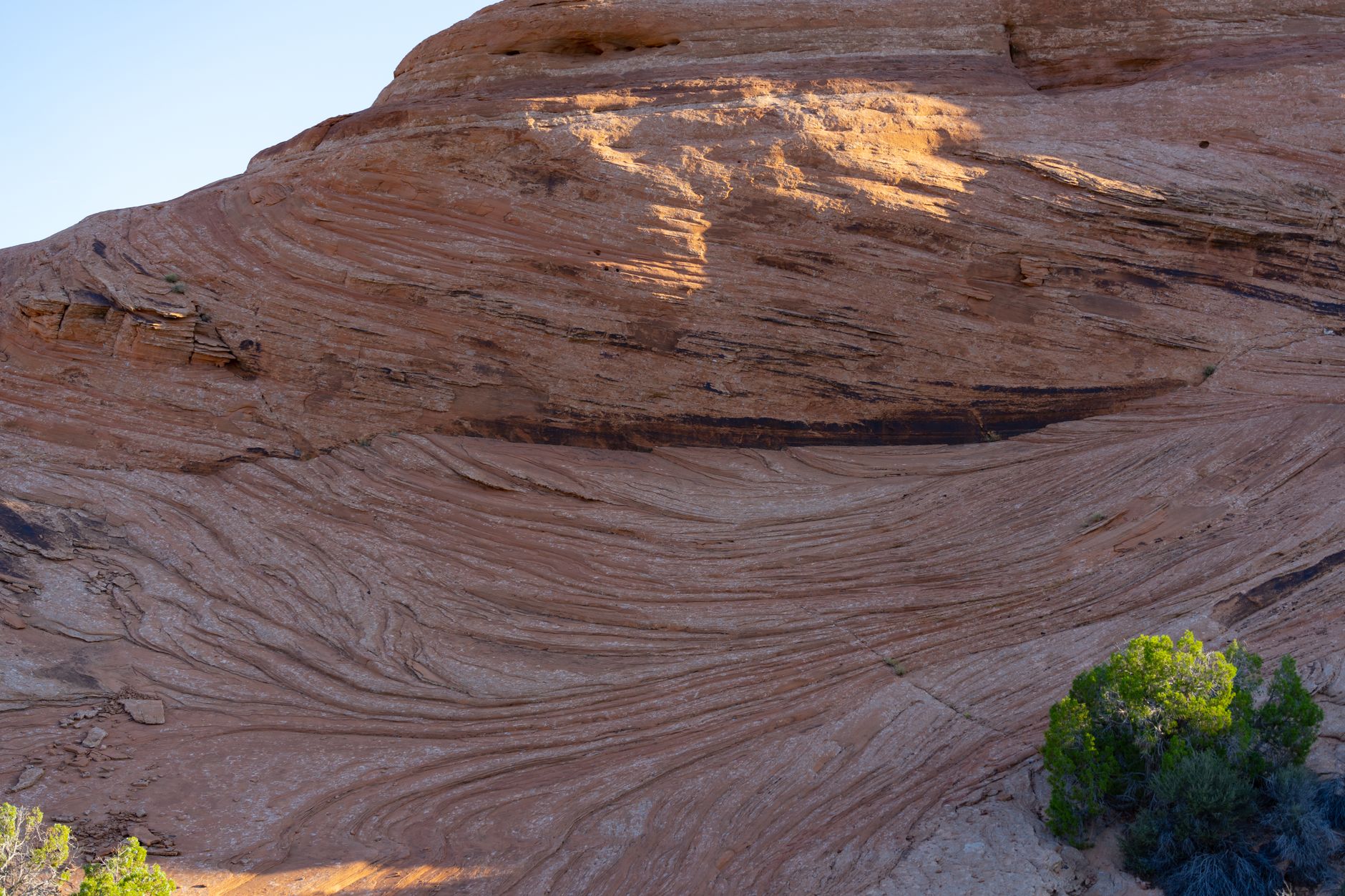
Caprock Canyons is about three hours southeast of Amarillo, off I-40 and Route 70. Hike the Haynes Ridge or the Clarity Tunnel trail, watch bison on the prairie loop, and bring a map if you plan backcountry routes. Camping is simple: some walk-up sites and reservable spots near the canyon rim.
This spot suits people who like open skies, geology stops, and roads that thin out. Summer heat is intense and some trails lack shade, so plan for water, early starts, and reserve campsites well ahead of busy holiday weekends.
Caprock Canyons State Park covers roughly 15,313 acres and contains about 90 miles of trails. The bison herd here is descended from the original southern herd — one of the few genetically pure southern plains bison herds still in existence.
6) Lost Maples: tight canyons and cold spring water
You’ll get the canyon feel from steep maple-and-oak slopes, stone outcrops, and clear spring-fed creeks that cut through narrow valleys. It doesn’t have Big Bend’s desert scale, but those tight canyons and quiet water give a similar sense of rugged shelter.
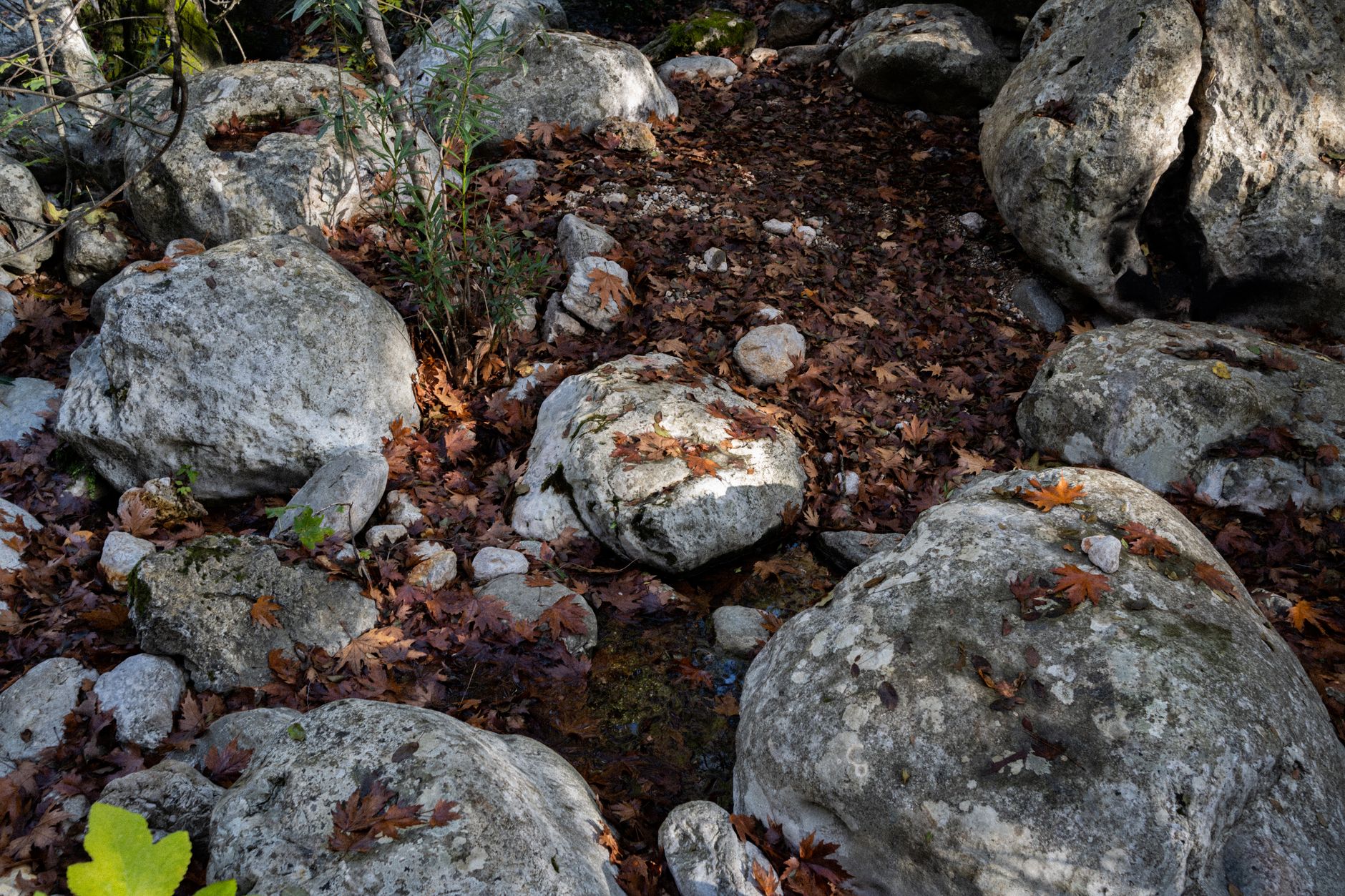
Lost Maples sits west of San Antonio near Vanderpool. Hike the East and West Trail loops for good views, walk the Turkey Pond boardwalk, or picnic by the spring-fed forks of the Sabinal River. There are short day hikes and a few longer routes, plus primitive camping if you want to stay after sunset.
Expect crowds in October. Book campsites early on holiday weekends. This place suits hikers who like shade, rock scrambling, and the kind of fall color that makes you stop mid-trail.
7) Palo Duro Canyon: the one that looks like a postcard
Walk the rim, and you’ll feel the same desert light and layered rock that draw people to Big Bend. The canyon’s red and ocher cliffs give a big, sculpted feel without driving all day to get there.
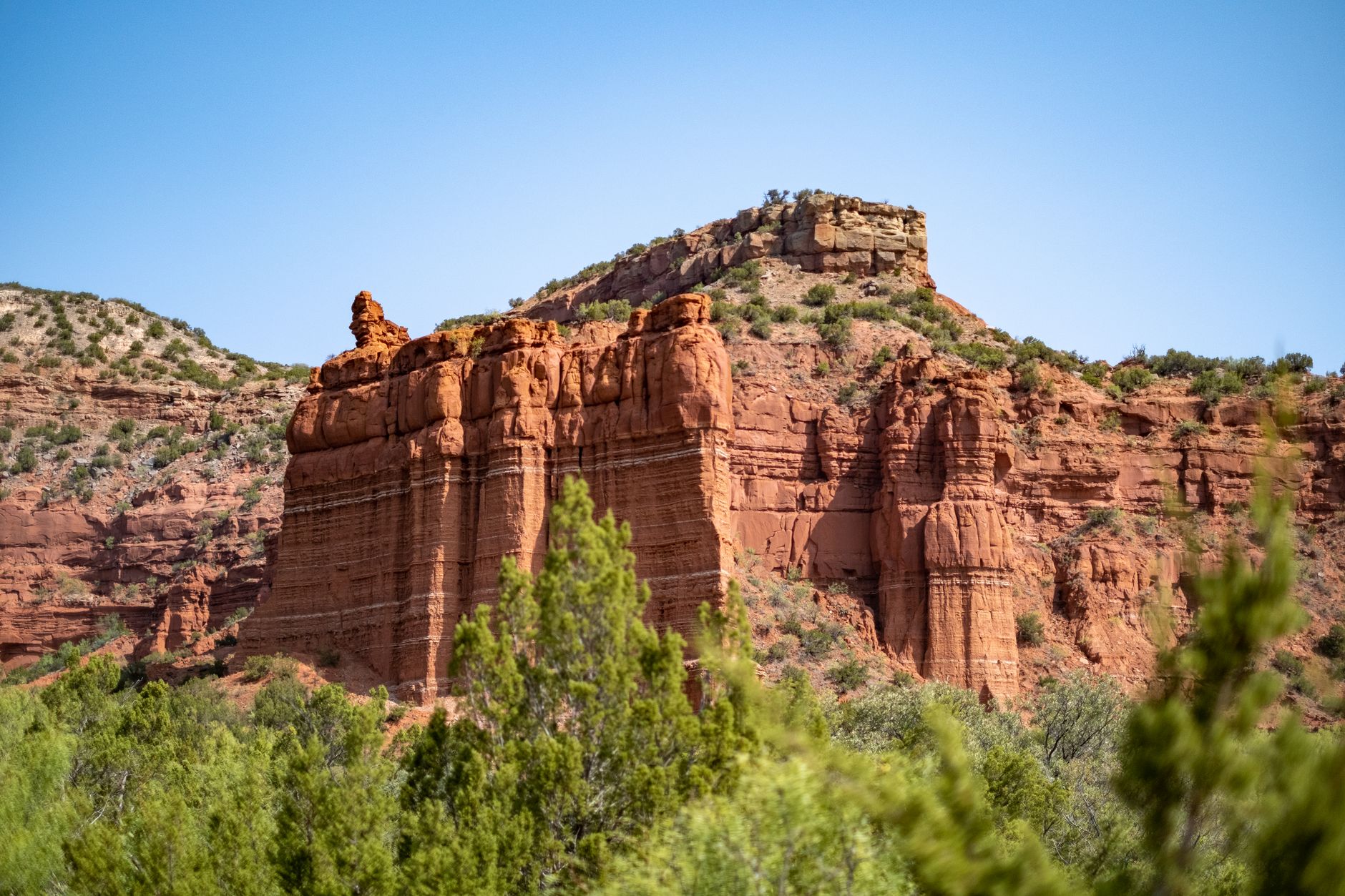
Palo Duro sits near Amarillo in the Texas Panhandle, about 20 miles south of the city. Hike the Lighthouse Trail for close-up views of the canyon’s signature formation, mountain-bike the Canyon Rim Trail, or camp with a sunset that paints the walls a deep, rust red.
This park suits people who want big views and solid trail options but not true wilderness. It gets busy on weekends, and the summer heat is intense. Book campsites ahead and carry more water than you think you’ll need.
“Texas doesn’t just have one canyon worth the drive. It has fifteen.”
8) Balmorhea: a desert spring that actually surprises you
You’ll get a genuine surprise here: a clear, cold spring pool sitting in the middle of high desert rock. The water and the low, jagged outcrops around it give a canyon-and-oasis feel that echoes parts of Big Bend without the long drive south.
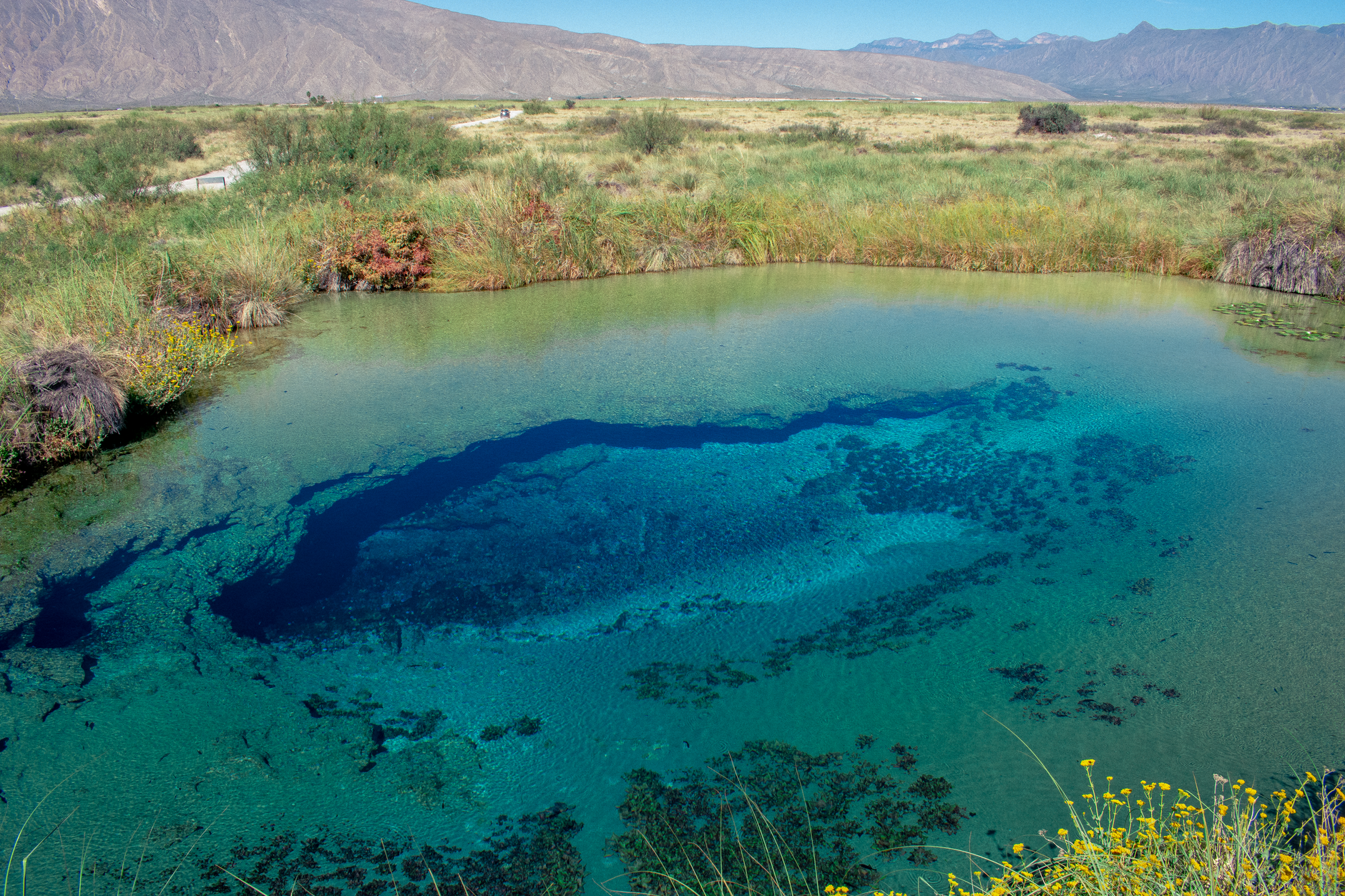
Balmorhea is in West Texas near Fort Davis, on State Highway 17. You can swim, snorkel, paddle, or hike short rocky trails and boulder hop around the perimeter. The site suits people who want cooling water after desert drives and light scrambling, not long backcountry trips.
Bring swimsuits, sun protection, and cash or a card for day fees. Campsites fill fast on holiday weekends. Mornings are best before the heat settles in.
9) Kickapoo Cavern: quiet ridgelines and actual dark
Few Texas parks offer a Big Bend-like combination of limestone ridges, wide desert views, and real quiet the way Kickapoo does. The caverns and high ridgelines give a canyon-adjacent feel without the long drive to West Texas.

Kickapoo sits northwest of Del Rio in the Hill Country’s western stretch. You hike rocky trails, explore mapped caves on ranger-led tours, and watch huge night skies from primitive campsites. It works well if you like rough roads, few neighbors, and unlit stars overhead.
Bring water and a high-clearance vehicle for some access roads. Tours require advance signup. The park is hot in summer, so plan spring or fall for cooler hiking conditions.
10) Pedernales Falls: Austin’s nearest canyon-style hike
The river-carved limestone and wide, rocky riverbed give a canyon feel that recalls Big Bend’s dry creek beds. You get that stark rock-and-water contrast without a six-hour haul — more like 45 minutes west of Austin off Route 71.
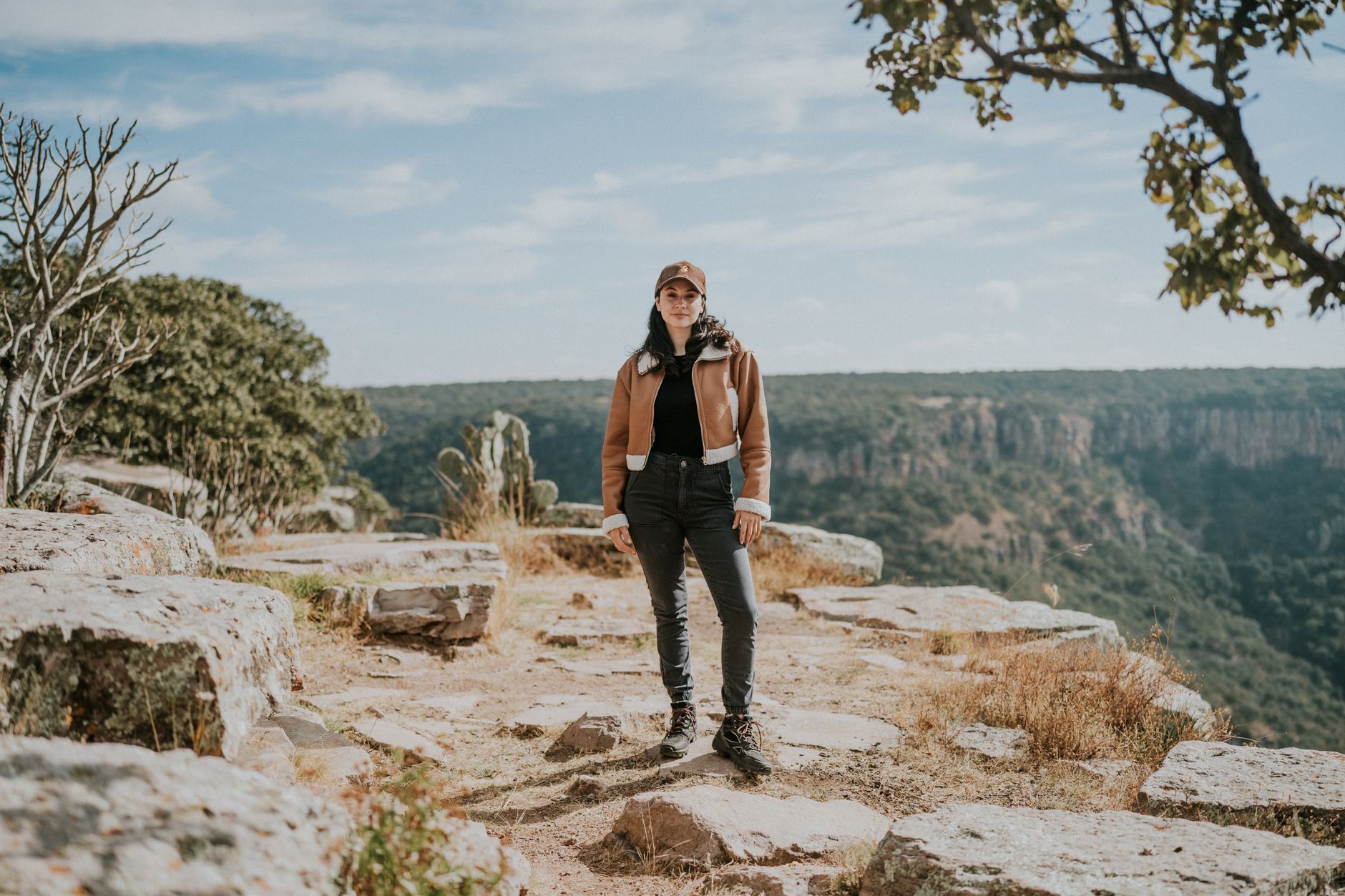
Hike the Hidden Falls Trail to see a narrow drop and a quiet pool below. Bring water shoes for walking on smooth, sometimes slippery limestone, and expect good birdwatching and long stretches of open sun on the rocks. This spot suits day-trippers and families who like easy to moderate hikes and river access.
Campsites are first-come in some areas, and weekends fill up fast during spring and fall. Worth arriving early if you want a good spot along the river.
11) Possum Kingdom: sheer bluffs over blue water
Steep limestone cliffs drop straight to Possum Kingdom Lake, and the rock faces and big open sky give a scale that echoes parts of Big Bend. It’s dramatic in a way that catches people off guard the first time they see it.
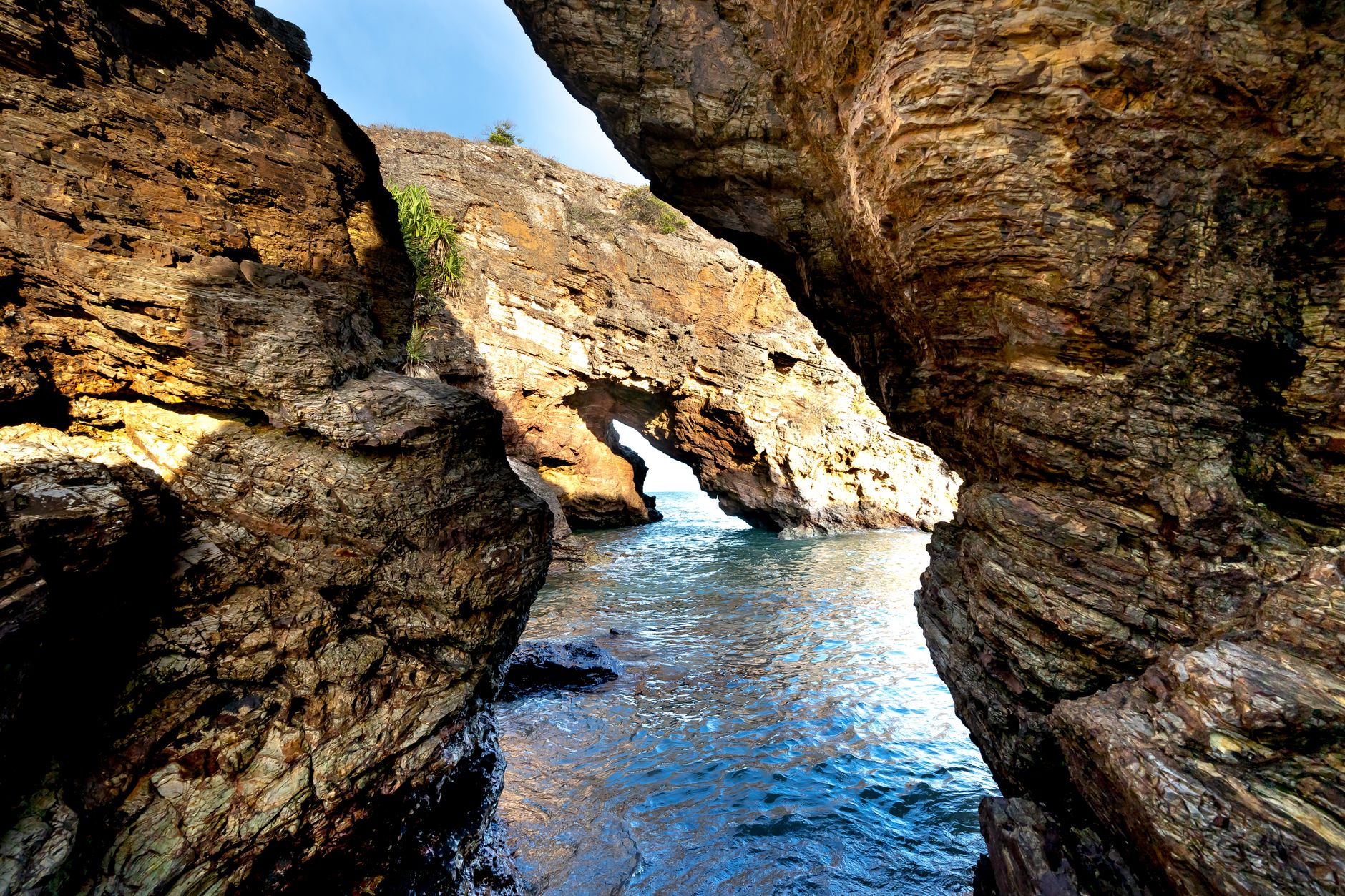
The park sits west of Fort Worth off Highway 16, easy for a weekend stop. You can hike short bluff trails, cliff-jump at marked spots, kayak along the cliff base, or find a promontory and watch the light shift on the stone through the afternoon.
This suits you if you want dramatic rock views without backpacking. Summer heat and holiday weekends bring crowds, and some cliff access is seasonal or marked off for safety. Reservations for campsites are advised on busy dates.
12) Monahans Sandhills: the quiet, wide-open one
Walk through knee-deep sand, and you’ll get that Big Bend feeling of wide, empty space — just without the mountains. The rolling dunes and stark sky give a desert silence that actually lets you hear yourself think.
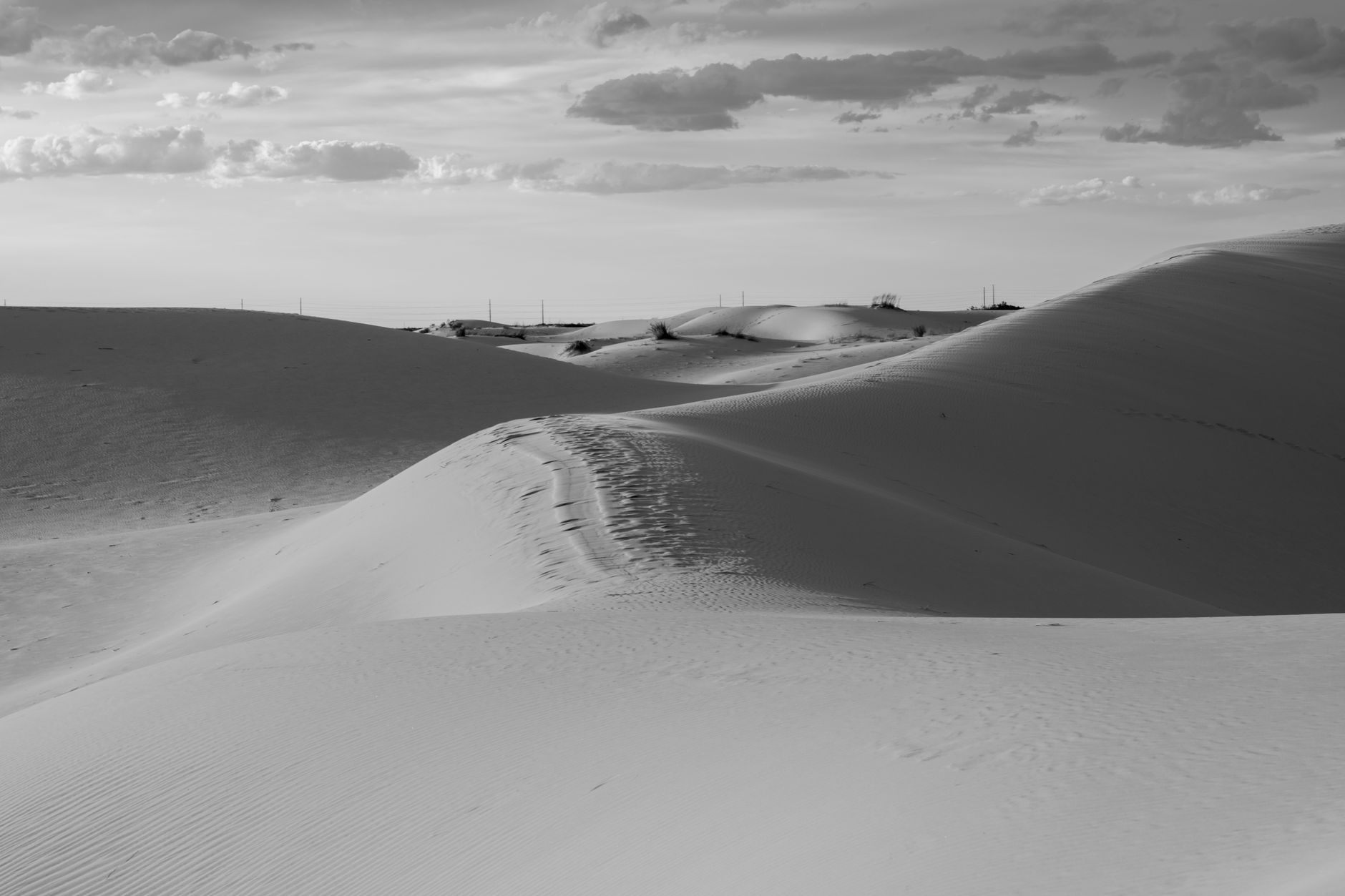
It sits near Monahans off I-20, so you can drop in during a long drive across West Texas. Bring a sled or just hike; the park is good for walking, sandboarding, and watching the light change texture on the dunes as the sun drops. Campsites are simple and quiet, solid for a low-key overnight.
Expect strong sun and loose sand underfoot. Wind reshapes the dunes constantly, so what you see on a map may look different on the ground. Carry water and a layered plan if the wind picks up.
[flavor_box asin=”B0GM3G3WL1″ style=”minimal”]13) Caddo Lake: a different kind of wild
This one’s an outlier on the list, and worth flagging as such. You’ll feel a slow, watery kind of wild here — standing water, twisted cypress knees, and foggy mornings that share Big Bend’s quiet mood without any of the desert. The bayou lanes and canoe trails give a sense of scale and solitude you don’t expect this close to East Texas towns.
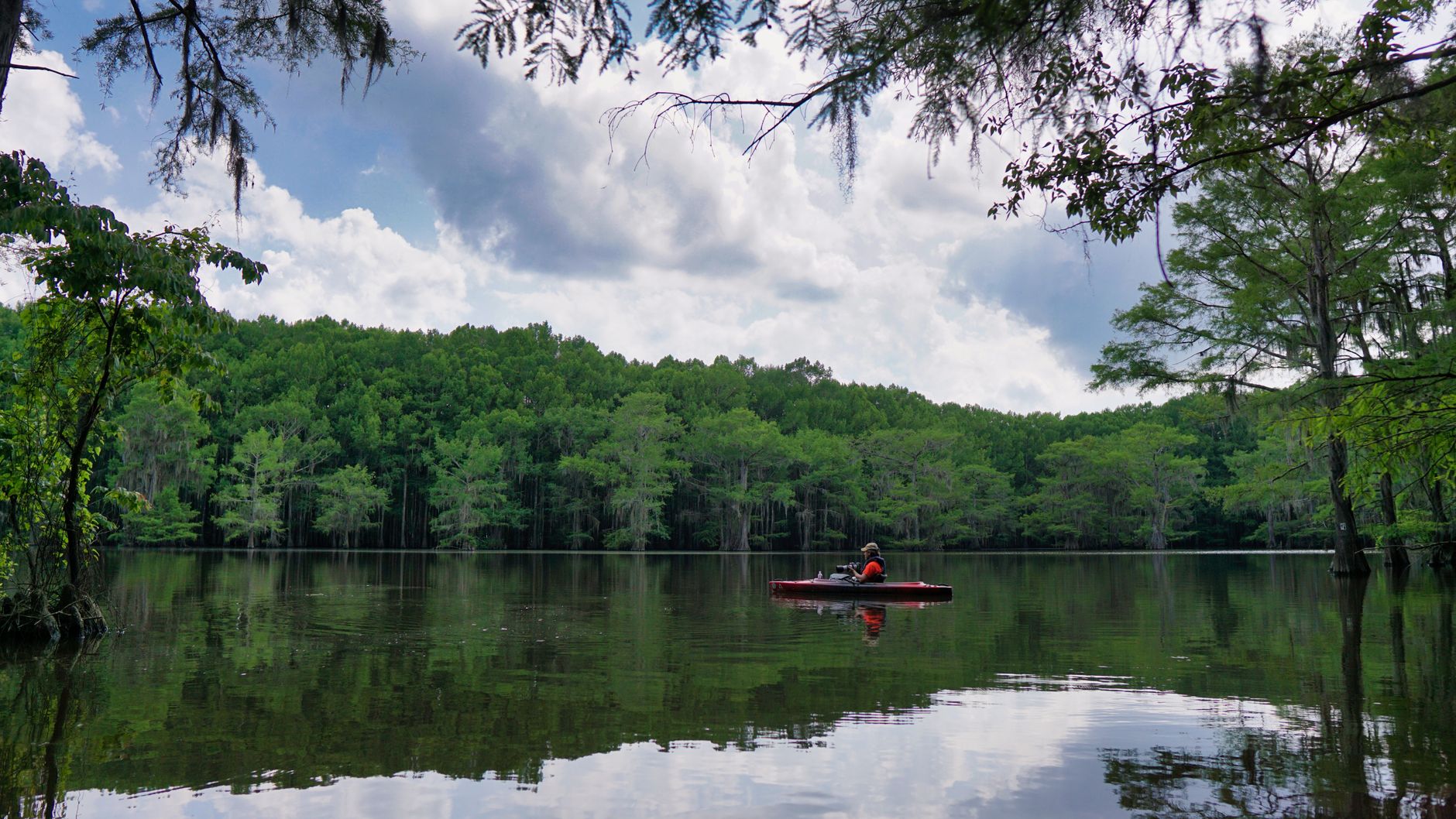
Caddo Lake sits on the Louisiana border north of Jefferson. Rent a canoe or join a guided paddle to thread narrow bayous under massive bald cypress. Fish, watch birds, or walk short boardwalks through the moss-draped trees.
This place suits people who like slow drives, easy paddling, and sticky summer air. Reserve campsites for holiday weekends and know that mosquitoes are part of the deal in warm months — not a dealbreaker, just something to pack for.
14) Meridian State Park: modest cliffs, real quiet
Limestone cliffs, a clear spring-fed creek, and open sky that makes the area feel larger than it actually is. It’s a quieter take on Big Bend’s rock-and-water mix, and it sits just west of Waco right off I-35, which makes it one of the easiest picks on this list.
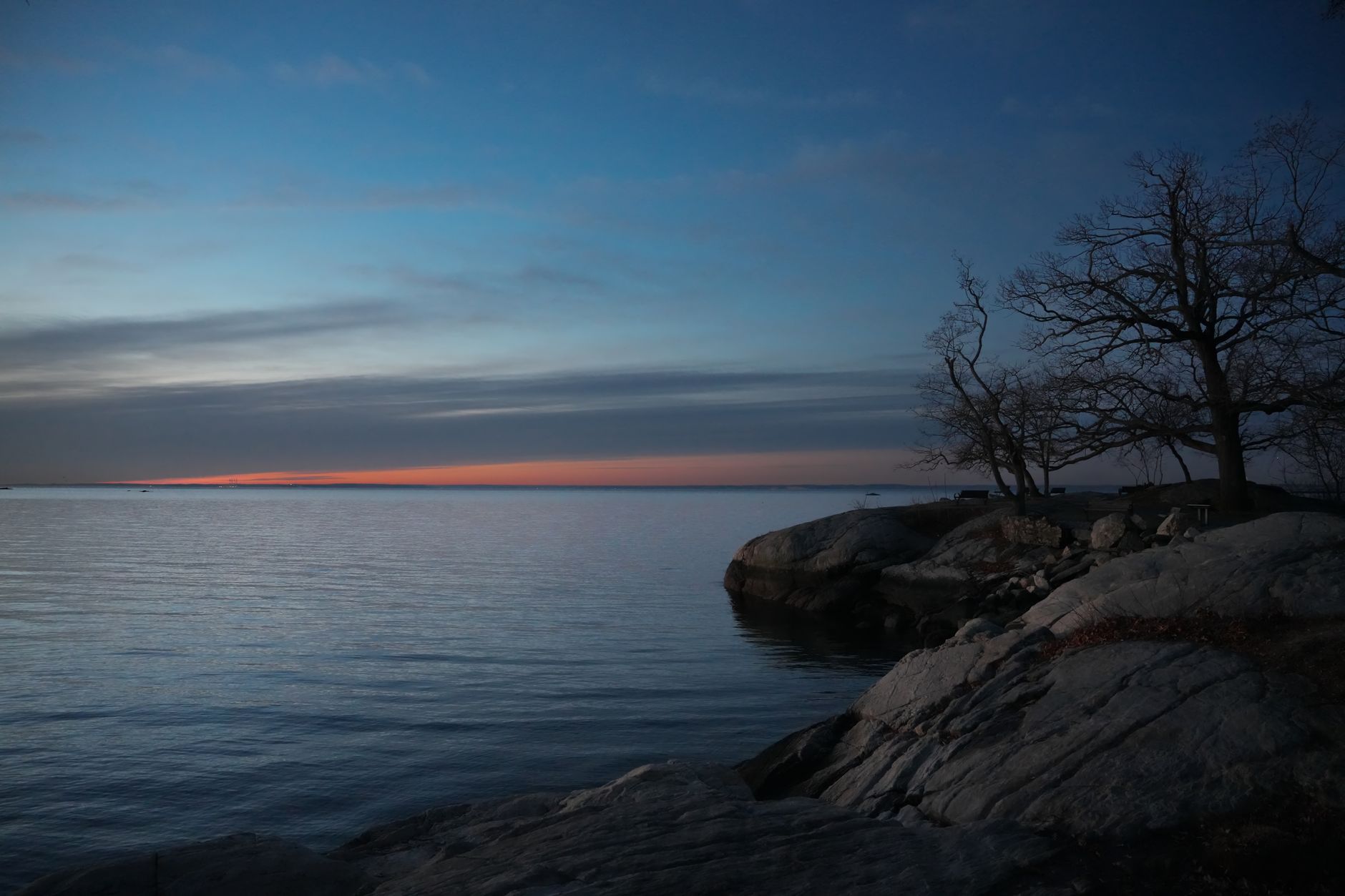
Hike short loop trails, fish from rocky banks, picnic under oaks, or paddle a calm stretch of the creek if the water’s up. Campsites are shady and close to the water, which makes it a good low-effort overnight without a lot of planning overhead.
Expect a compact park. Trails aren’t endless, and the cliffs are modest compared with Big Bend, but that’s part of the appeal — you’re not committing a full day just to park the car. Reserve a campsite in summer and check creek levels after dry spells if you plan to swim or paddle.
15) Fort Davis National Historic Site: mountain backdrop, short hikes, good ranger talks
The wide sky, scrubby hills, and the way the Davis Mountains rise right behind the old fort give a feeling that’s genuinely close to Big Bend’s desert-mountain character. The terrain is dry, rocky, and open, and the site earns its place on this list for the scenery as much as the history.
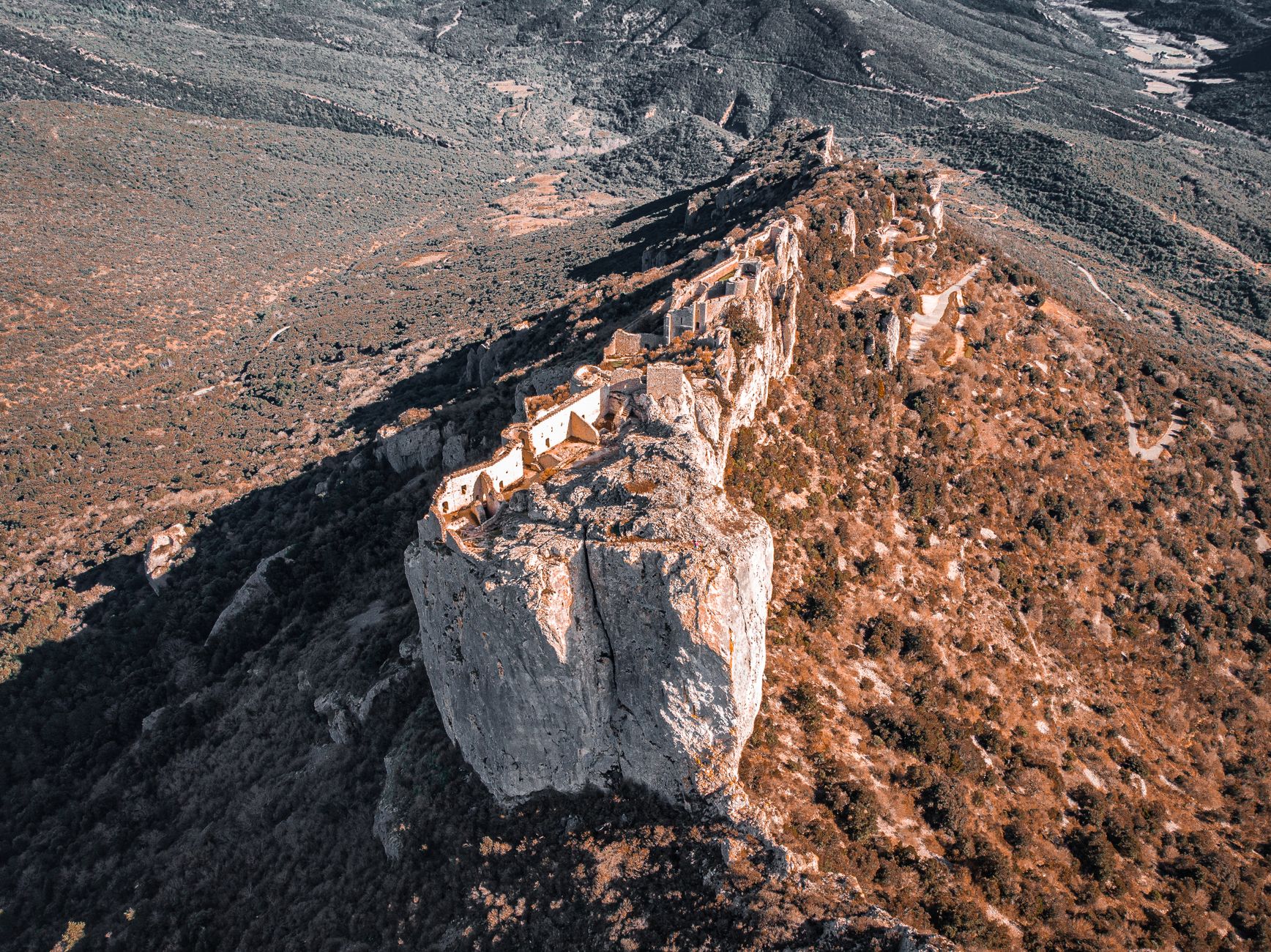
The site is in Fort Davis town, about 25 minutes from Valentine and an hour from Alpine. Walk the stone parade ground, read the interpretive panels, and stroll the short trails that slope up toward the mountains. Rangers give worthwhile talks, and the historic buildings make for easy stops that still feel immersive rather than rushed.
This place suits people who like scenic historic sites, short hikes, and clear stargazing nights. Visitor center hours vary by season and special programs fill weekends, so check times before you go rather than showing up and guessing.
Did You Know
The Davis Mountains form the largest mountain range entirely within Texas and are part of the same Basin and Range geological province that runs through Big Bend. That’s why the two areas look so similar from a distance — they’re part of the same geological story, just different chapters.
What makes a park actually feel like Big Bend?
You want wide, empty skies, raw rock forms, and a desert that feels a little wild. You also want places where you can hike in relative silence, sit beside river canyons, and see wildlife that belongs to hot, dry country.
Wide-open scenery you can actually reach
Big Bend’s big draw is wide views and dramatic geology. Look for parks with long, exposed ridgelines, steep canyon walls, or flat desert basins that put the sky on full display. Good examples have clear sightlines for miles, layered rock colors, and trails that climb to viewpoints without heavy crowds blocking every overlook.
Where to find it: usually west or far-west Texas parks, often on scenic byways or county roads. What you’ll do: drive scenic loops, hike short to medium trails to overlooks, shoot photos at golden hour, or sit and watch storms build on the horizon. Who it suits: people who want open horizons and simple navigation rather than technical climbs with gear lists.
One honest caveat: expect strong sun and little shade. Bring water, sun protection, and plan on arriving earlier than feels necessary. Some overlooks require a short rough drive, and pullouts can fill on holiday weekends.
Wildlife and desert atmosphere
Big Bend’s wildlife is sparse but specific — javelina, roadrunners, lizards, raptors, and coyotes at dusk. Parks that feel similar will show the same animal mix and plant life: ocotillo, yucca, prickly pear, and scattered desert scrub, plus night skies with enough stars to make you stop and look up.
Where to find it: typically in drier regions or on the western edge of central Texas. What you’ll do: scan washes and rocky outcrops at dawn or dusk, bring binoculars for raptors, and check interpretive signs for local species. Animals are most active early and late — daytime heat pushes them to shade. Keep a distance from wildlife and follow park rules about pets and feeding.
Navigating big spaces in Texas without overcomplicating it
Clear plans for weather, roads, and comfort will save a day that could otherwise turn into an ordeal. Small gear choices and a few simple car checks matter more than people usually expect out here.
Weather and road prep
Check the forecast for high temperatures, winds, and flash-flood warnings for the two to three days around your trip. In West Texas heat, plan activities for dawn or late afternoon and carry at least one liter of water per person per hour of active hiking. That number sounds like a lot until you’re two miles from the trailhead in 100-degree sun.
Map your route and download offline maps before you leave cell range. Service drops out in canyon and desert areas faster than most mapping apps warn you. Note pavement changes too: some park access roads turn to packed dirt or gravel, and low-clearance cars can scrape or get stuck after rain.
Bring a basic road kit: spare tire, jack, jumper cables, tow strap, compact first-aid kit. Let someone know your route and estimated return time if you’ll be out of service for a long stretch.
Keeping the trip comfortable without hauling the whole house
Pack layers. Mornings can be cold, midday hot, and evenings cool — sometimes all three on the same day. A lightweight windbreaker, sun hat, and breathable shirts handle most of that without adding real weight.
For food, bring high-energy, nonperishable snacks: nuts, jerky, granola bars. A small cooler with ice packs handles sandwiches for a full day out. Extra weight on trails makes a long afternoon harder than it needs to be, so edit the bag before you load the car.
Comfort items that actually matter: a trail chair, sunscreen, lip balm, and a headlamp if you plan to stay for sunset. Reserve campsites ahead of busy weekends and go in knowing that some parks have vault toilets and no hookups. That’s not a problem once you’re expecting it.
The best version of any of these trips is the one where you’ve planned enough to relax once you get there — and left enough room to take the slow road back.
Photos provided by Pexels.